
Views: 0 Author: Site Editor Publish Time: 2026-07-02 Origin: Site


Procuring commercial manufacturing equipment carries incredibly high stakes. This remains especially true when processing delicate materials. Glass serves as an unforgiving substrate. It is exceptionally brittle. It remains highly prone to severe thermal stress and sudden fracturing. Making the wrong equipment choice halts production floors. It ruins expensive materials quickly. Choosing the correct machine rarely involves simply finding the most powerful laser. Instead, you must identify the precise intersection of wavelength, pulse duration, and mechanical automation. A misaligned system creates massive production bottlenecks. A well-tailored system ensures clean edges while maintaining high throughput. This article provides an objective, technical framework. You will learn how to evaluate various options. We help you shortlist the right system for your specific production floor. We break down thermal processing and cold ablation differences. We also explore material compatibility thresholds and critical implementation requirements.
Laser Source Dictates Quality: The choice between CO2 and Ultrashort Pulse (USP) lasers determines whether post-processing (polishing) is required.
Precision Requires Automation: A reliable CNC glass laser cutting machine minimizes human error and reduces material waste at scale.
Sample Testing is Mandatory: Never purchase without a Proof of Concept (PoC) test on your exact glass substrate and thickness.
Glass poses severe and unique challenges during industrial manufacturing. Its inherently high thermal expansion coefficient makes it notoriously difficult to cut cleanly. Traditional mechanical cutting methods often induce massive mechanical stress. They cause severe edge chipping. They compromise the long-term structural integrity of the final product. Selecting the right Glass Laser Cutting Machine requires a deep understanding of optical physics. You must know exactly how different light beams interact with this fragile crystalline substrate.
Continuous-wave lasers and long-pulse lasers rely entirely on traditional thermal processing. They bombard the glass surface continuously. They heat the target area until the material physically melts or evaporates. This traditional approach carries significant operational risks. The intense, localized heat creates a massive Heat-Affected Zone (HAZ). This thermal shock leaves behind a severely weakened edge structure. The heated glass expands rapidly. It then cools unevenly. This uneven cooling generates microscopic fractures along the cut path. Manufacturers must therefore perform significant post-cut mechanical polishing. They grind down the flawed edges to restore structural strength. This secondary operational step adds significant time and intensive labor to the daily manufacturing cycle.
Ultra-short pulse (USP) technology changes this physical dynamic entirely. USP lasers operate in the incredibly fast picosecond or femtosecond ranges. They emit energy in bursts lasting only fractions of a billionth of a second. They vaporize target material instantly. The entire cutting process happens before thermal energy transfers into the surrounding glass lattice. Industry experts call this phenomenon cold ablation. It relies heavily on intense photomechanical energy rather than purely continuous thermal energy. The concentrated photon burst disrupts molecular bonds directly. The result is a profoundly clean, perfectly zero-taper edge. Cold ablation drastically reduces the persistent risk of thermal micro-fractures. It delivers exceptional structural integrity straight off the cutting bed. You bypass secondary grinding operations entirely.
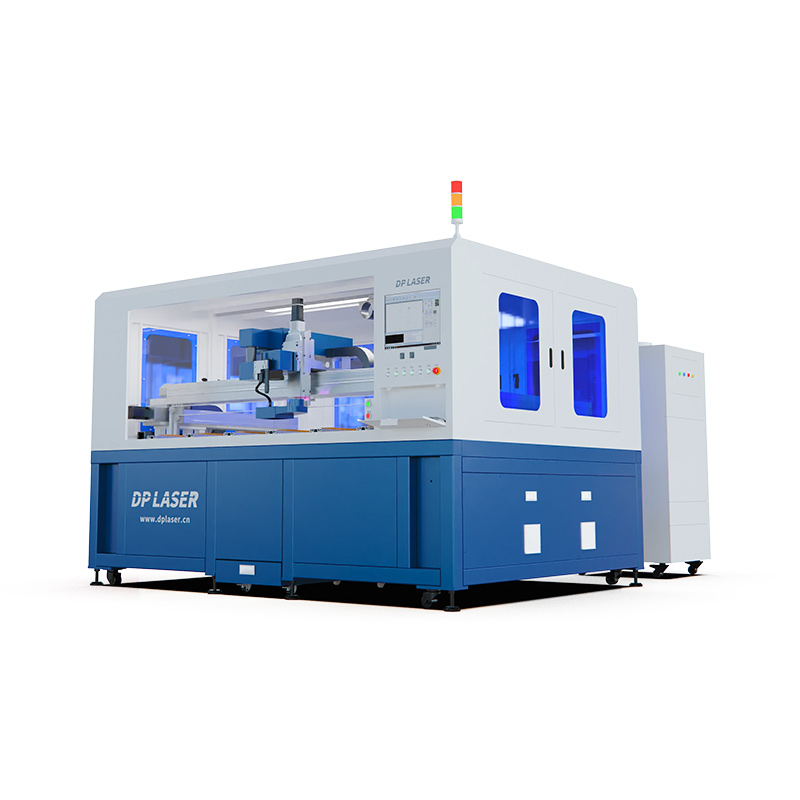
Different production environments require vastly different laser sources. Manufacturers must constantly match the optical laser type to their specific glass substrate. Using the wrong beam wavelength guarantees failed production runs. Let us explore the primary technologies heavily utilized across modern manufacturing floors today.
CO2 lasers typically operate at a reliable 10.6 µm infrared wavelength. They remain a dominant staple inside many traditional industrial facilities.
Best for: Fused silica, thick quartz, and basic industrial architectural glass. You should deploy them where flawless edge quality is not your primary production constraint.
Limitations: They inherently leave a much higher thermal footprint. This lingering heat often causes extensive micro-fractures along the primary cut line. Operations typically require dedicated secondary edge grinding machinery to achieve an acceptable consumer finish. They rarely achieve precision micro-machining tolerances.
Ultraviolet (UV) lasers and Ultrashort Pulse (USP) lasers currently represent the absolute pinnacle of optical precision. They operate using extremely short, highly concentrated pulse durations.
Best for: Smartphone display panels, complex microfluidics, intricate medical devices, and ultra-thin flexible glass substrates.
Advantages: They offer truly exceptional, mirror-like edge quality. They produce a virtually undetectable Heat-Affected Zone (HAZ). This extreme precision completely eliminates the need for any mechanical post-processing.
Trade-offs: They demand significantly stricter environmental facility controls. Production facilities must maintain very tight ambient temperature regulations. They must also enforce strict vibration isolation rules to ensure consistently stable beam operation.
| Laser Technology | Primary Mechanism | Ideal Applications | Post-Processing Needs |
|---|---|---|---|
| CO2 Laser | Thermal melting and evaporation | Industrial glass, thick quartz sheets | High (requires extensive mechanical grinding) |
| UV / Nanosecond Laser | Photochemical and thermal hybrid | Consumer electronics, basic automotive glass | Moderate (requires minimal edge polishing) |
| USP (Picosecond/Femtosecond) | Pure cold ablation (photomechanical) | Medical devices, precision microfluidics | None (produces zero-taper pristine edges) |
Evaluating a CNC glass laser cutting machine requires moving far beyond simple specification sheets. You must critically align the machine's true operational capabilities against your exact daily production demands.
A primary evaluation factor remains absolute cutting precision. You must carefully determine if the machine's edge quality genuinely eliminates manual mechanical polishing. Bypassing this intensive secondary step heavily streamlines your entire manufacturing workflow. Cold ablation lasers consistently deliver perfectly smooth edges immediately after cutting. This high operational efficiency directly offsets the inherent technical complexity of operating the equipment. You reduce your overall cycle time. You also minimize the handling of fragile glass parts.
You must define your substrate material limits clearly before purchasing. Different laser wavelengths handle different glass types quite differently.
Borosilicate: Requires precise energy pulse control to prevent catastrophic shattering.
Soda-lime: Commonly processed globally but remains highly prone to sudden thermal shock.
Sapphire: Demands extraordinarily high peak optical power due to its extreme physical hardness.
Establish the precise standard thickness thresholds for your specific facility. Most high-precision optical systems excel primarily on glass substrates measuring under 5mm. Thicker materials might require highly specialized dynamic beam delivery systems or multi-pass cutting strategies.
The physical hardware only represents half the production equation. The underlying software ecosystem truly drives your daily productivity. You must assess the control system for robust CAD/CAM software compatibility. It should natively accept standard vector design files seamlessly. Look carefully for intelligent automated nesting features. These advanced algorithms actively optimize laser cut paths. They drastically reduce wasted raw material. Proper data integration into your existing factory ERPs ensures smooth, uninterrupted production tracking.
Every manufacturer inevitably faces the strict trade-off between raw speed and ultimate accuracy. Faster physical cutting speeds often compromise overall edge smoothness. A highly powerful laser might push through 10mm per second but leave microscopic edge cracks. A much slower feed setting usually yields a perfectly pristine edge. You must clearly define how to balance these competing factors based on your specific daily production quotas. Always rigorously test your desired feed speed against your minimum acceptable edge quality standards.
Bringing advanced industrial laser equipment into any facility requires incredibly thorough preparation. You must actively address all facility readiness factors. You must implement strict safety protocols. You must plan for continuous ongoing maintenance routines.
High-precision micro-machining lasers demand highly specialized physical environments. You cannot simply plug these sensitive systems into standard factory infrastructure grids.
Active Cooling Solutions: Ultrashort pulse lasers generate internal component heat. You must install reliable industrial water chillers to maintain strict thermal stability around the clock.
Hazardous Fume Extraction: Intense laser ablation creates dangerous microscopic silica dust. Industrial-grade HEPA fume extraction systems remain absolutely mandatory. They protect ambient air quality and prevent lung hazards.
Vibration Control Measures: Background factory vibrations ruin micro-cutting precision. You must pour dedicated vibration-isolated concrete flooring for all high-precision models.
Industrial laser safety remains heavily regulated across all jurisdictions. Glass cutting systems generally operate at extremely hazardous optical power levels.
You must implement fully enclosed Class 4 laser safety housings.
Machines require redundant interlocked access doors to prevent any accidental beam exposure.
Operators need highly rigorous laser safety training before touching the equipment.
Adhering strictly to these physical safety standards protects your valuable workforce. It also prevents severe regulatory operational penalties.
Every sophisticated machine requires dedicated ongoing care. Unplanned system downtime severely disrupts daily production schedules. You must account for inevitable optical component degradation over time. Focus lenses and reflective mirrors slowly accumulate microscopic debris. They require strict periodic cleaning or total replacement. The primary laser source itself possesses a finite operational lifespan. You must schedule routine technical calibration sessions. This prevents beam quality drift. Proper preventive maintenance routines ensure long-term consistent cutting accuracy.
Selecting a dependable vendor requires highly rigorous objective validation. Never rely solely on glossy marketing brochures. You must demand undeniable empirical evidence of actual machine performance.
Never finalize a major equipment procurement decision without seeing physical results. Send your exact production glass materials to your shortlisted vendors. Request a comprehensive sample cutting demonstration. Once you physically receive the cut samples, perform an intensive microscopic analysis of the cut edges. Verify the absolute complete absence of underlying micro-cracks. The PoC process undeniably proves whether the specific machine actually handles your unique substrate and exact thickness.
A complex machine remains only as reliable as its ongoing support network. Evaluate the vendor's provided Service Level Agreement (SLA) incredibly thoroughly. Check carefully for local field technician availability. You absolutely need rapid onsite response times to minimize costly production interruptions. Inquire deeply about their domestic spare parts inventory. A truly reliable vendor ships critical replacement optics or electronic sensors immediately. They do not force you to wait for international overseas shipping.
Always directly ask the equipment vendor for detailed industry case studies. Request verified references from existing clients processing highly similar glass thicknesses and daily volumes. Speak directly over the phone to these references. Ask them specifically about actual machine uptime. Discuss software stability. Evaluate the vendor's true post-installation responsiveness. Real-world client insights often reveal critical operational nuances completely missing from standard sales pitches.
Choosing the correct glass laser cutting equipment directly dictates your long-term manufacturing success. It inherently requires perfectly aligning machine capabilities against your specific material types. You must continually prioritize your required edge quality. You must understand your long-term production scale goals. A poor equipment mismatch inevitably leads to severely wasted materials and highly inefficient daily workflows. Cold ablation USP technologies confidently provide truly unmatched micro-precision. Standard CO2 systems still offer reliable utility for significantly less demanding industrial tasks.
To move forward confidently, clearly define your precise raw material specifications today. Carefully document your exact thickness ranges. List your required glass types. Calculate your daily throughput production quotas accurately. Contact your carefully shortlisted vendors immediately to initiate extensive sample testing. Demand a rigorous Proof of Concept on your exact specific substrates. Intensive testing guarantees your chosen system meets your incredibly strict production standards.
A: Generally, no. Laser cutting tempered glass instantly shatters it. This happens due to the extreme built-in internal mechanical stresses. You must completely cut and shape the raw glass material before it undergoes the final thermal tempering process.
A: Some specialized high-power systems handle glass up to 10mm or 15mm thick. However, optimal flawless edge quality using USP lasers is typically achieved on much thinner glass. The best results usually occur on substrates measuring under 3mm to 5mm.
A: It depends heavily on the specific laser type used. CO2 lasers usually leave thermal micro-fractures. These defects require secondary mechanical edge polishing. Conversely, picosecond or femtosecond lasers easily achieve near-perfect, perfectly smooth edges straight off the machine.


