
Views: 0 Author: Site Editor Publish Time: 2026-10-21 Origin: Site


Modern metal fabrication faces relentless demands. Tolerances are tighter. Lead times are drastically shorter. Furthermore, there is an industry-wide push toward greener, highly energy-efficient shop floors. Outdated bending equipment frequently triggers costly downtime. The resulting inconsistent parts can severely damage your bottom line. If your facility still relies on legacy machinery, you are likely bleeding capital through high power consumption and endless maintenance cycles.
Transitioning to an Electric Servo Bender serves as the premier solution for achieving high-precision, efficient, and highly repeatable forming operations. In this comprehensive guide, we will walk you through the essential factors of choosing the right machinery. By carefully comparing technical specifications and analyzing total lifecycle costs, you can make a confident, data-driven procurement decision that future-proofs your manufacturing capabilities.
Unmatched Precision: Servo-driven systems offer superior accuracy and repeatability compared to traditional hydraulic setups. They are highly effective for fabricating complex geometries with tight tolerances.
Energy and Cost Savings: By only consuming power during the active bending cycle, all-electric models drastically reduce energy consumption. They also entirely eliminate costly hydraulic oil maintenance.
Application Specificity: Whether your facility requires dedicated sheet metal processing or specialized tube manipulation, matching the machine tonnage, axes, and software to your specific material is crucial for operational success.
Technology Comparisons: Understanding the distinct mechanical differences between all-electric, standard hydraulic, and hybrid systems forms the foundation of a smart purchasing strategy.
Total Cost of Ownership: While the initial capital investment may be higher, the long-term return on investment is rapidly achieved through significantly faster cycle times and reduced material scrap.
To make an informed procurement decision, buyers must first understand the fundamental engineering. You need to know what separates modern electric bending equipment from legacy fluid-driven systems.
Look closely at the kinematic chain. An electric servo system utilizes high-torque servo motors instead of traditional hydraulic cylinders to drive the bending axes. In a conventional setup, a massive hydraulic pump runs continuously to maintain fluid pressure. It pushes viscous oil through complex valve blocks to move a heavy ram.
Conversely, an electric system relies on direct-drive mechanisms. These typically utilize heavy-duty ball screws, roller screws, or dual-pulley belt systems. These mechanical components translate electrical energy directly into precise mechanical force. Because the servo motors couple directly to the drive mechanism, there is virtually no lag time.
Imagine an operator trying to feather a hydraulic pedal. There is always a slight delay as fluid pressure builds. With an electric drive, the kinetic energy transfer is immediate. This allows for rapid acceleration and deceleration of the bending ram. This mechanical directness ensures the machine applies exact force precisely when needed. It completely bypasses the parasitic energy losses inherently associated with fluid dynamics.
The mechanical hardware represents only half of the performance equation. The sophisticated software serves as the central nervous system of the entire operation. Modern equipment functions as a highly advanced CNC Bender. The Computer Numerical Control system continuously communicates with the servo motors via high-speed digital feedback loops.
During a bending sequence, the software monitors and adjusts the speed, angle, and torque in real-time. If the material exhibits unexpected resistance due to thickness variations, the controller micro-adjusts the servo output within milliseconds. This closed-loop communication ensures that the programmed bend angle matches the physical output perfectly. It effectively eliminates the guesswork from complex, multi-stage bending operations.
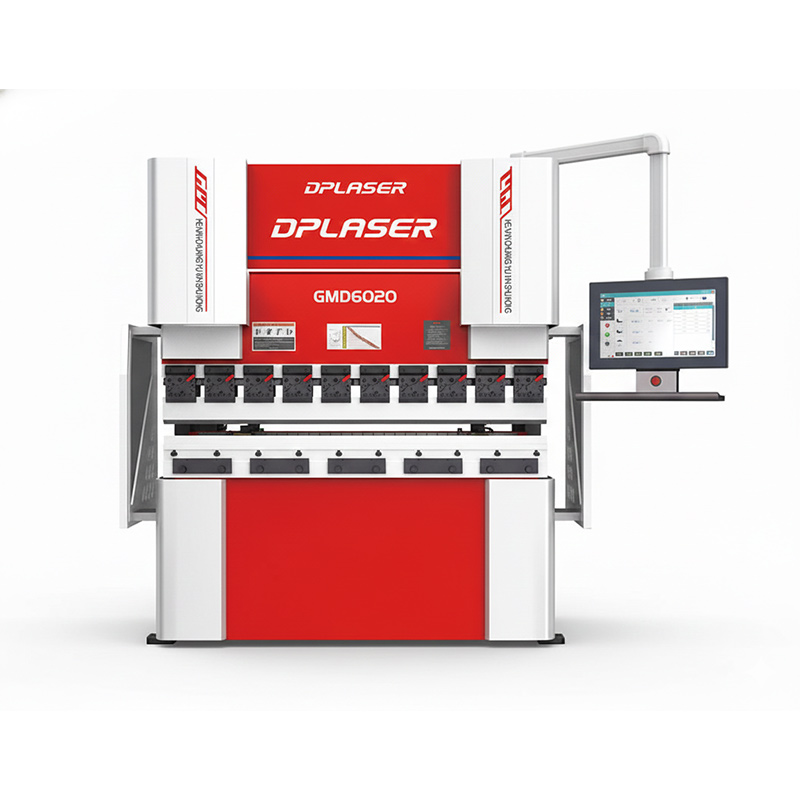
Selecting the right bending technology requires a careful analysis of your specific production demands. Below is a comparative breakdown of the primary technologies dominating the current fabrication market.
| Feature | All-Electric Servo | Traditional Hydraulic | Hybrid CNC |
|---|---|---|---|
| Drive Mechanism | Direct-drive servo motors & ball screws | Fluid pump, valves & hydraulic cylinders | Servo motor driving a closed-loop pump |
| Energy Efficiency | Excellent. Consumes power only when moving. | Poor. Pump runs continuously. | Good. Power drawn mostly on demand. |
| Precision & Accuracy | Micron-level. Immune to thermal drift. | Subject to oil temperature fluctuations. | High precision. Moderate thermal effects. |
| Maintenance Needs | Very low. Basic mechanical lubrication. | High. Oil changes, filter swaps, leak fixes. | Medium. Reduced oil volume, fewer leaks. |
| Cycle Speed | Extremely fast acceleration/deceleration. | Moderate. Inherent valve latency. | Fast approach and return speeds. |
When comparing all-electric and hydraulic systems side-by-side, the distinctions become glaringly clear across several key performance metrics. Specifically, electric servos accelerate faster and reverse direction instantly. Fluid dynamics inherently introduce valve latency. When you press the pedal on a hydraulic brake, you wait for pressure to build. This makes electric machines up to thirty percent faster in overall cycle times.
Furthermore, precision is heavily impacted by temperature. Hydraulic fluid inevitably heats up during operation. This changes its viscosity and frequently causes thermal drift in bend angles. Electric servos are immune to this thermal drift. They offer micron-level repeatability regardless of how long the machine has been running. Environmentally, electric machines eliminate the need for hundreds of gallons of hydraulic oil. This eradicates hazardous leaks, filter disposals, and environmental contamination risks. While hydraulic machines remain the standard for massive tonnage requirements, electric servos dominate the thin-to-medium gauge sectors where precision and speed are paramount.
For facilities that require a strategic middle ground, a Hybrid CNC Bender offers a compelling alternative. This architecture combines the raw pushing power of a hydraulic system with the precision control of servo-electric drives. In these advanced machines, a servo motor controls a localized, closed-loop hydraulic pump mounted directly on the cylinder.
This hybrid setup is ideal for shops that frequently process thick, high-tensile materials requiring extreme force. Yet, these shops still want to significantly improve energy efficiency and positional accuracy. The servo motor only spins the hydraulic pump when movement is required. This drastically reduces energy consumption compared to traditional continuously-running hydraulics.
Upgrading your shop floor requires capital. However, the operational advantages quickly justify the investment to stakeholders and procurement managers. Let us examine the immediate benefits you will observe on the production floor.
Market data reveals a sharp pivot in fabrication strategies globally. Energy volatility and strict carbon-neutral mandates are forcing shop managers to audit their power consumption closely. Search trends and industry reports show that legacy fluid-driven machines waste massive amounts of electricity simply idling. Consequently, the industry is rapidly adopting all-electric platforms. This is no longer just for precision. It has become a mandatory compliance and cost-survival mechanism for forward-thinking manufacturers.
In modern manufacturing, tolerances are shrinking daily. The aerospace, automotive, and medical device sectors demand absolute perfection. Servo motors provide a level of positional accuracy that is physically impossible for standard hydraulic systems to maintain over a demanding shift. Because electric drives eliminate the thermal drift associated with fluctuating hydraulic fluid temperatures, the very first part bent in the morning cold is geometrically identical to the thousandth part bent at the end of a busy afternoon.
Energy costs represent a significant and volatile overhead for any fabrication shop. Traditional hydraulic systems utilize a constantly running induction motor to maintain system pressure. They consume electricity even when the operator is simply reviewing a blueprint, changing tooling, or taking a break.
In stark contrast, an electric machine operates strictly on a power-on-demand principle. The motors only draw significant electrical current during the actual bending cycle. Empirical data from shop floors shows that this targeted power usage can cut energy consumption by fifty to eighty percent compared to a constantly running hydraulic press of similar capacity.
Maintenance downtime halts production and drains profitability. Hydraulic systems require rigorous, messy preventative maintenance schedules. Oil must be tested and replaced. Filters must be changed. Degraded seals must be swapped out to prevent hazardous leaks. An all-electric machine eliminates these failure points entirely. There are no proportional valves to clog, no pumps to rebuild, and no oil to purchase or dispose of. Maintenance is generally reduced to routine greasing of the ball screws and standard electrical inspections. This drastically increases your Overall Equipment Effectiveness.
Reviewing product specification sheets can quickly become overwhelming. Buyers should focus on a structured checklist of parameters to ensure the machine perfectly aligns with their specific production goals.
When evaluating high-end equipment, look closely at the frame architecture. Take the DP-MG Series High-Efficiency Electric Servo Bender as a prime benchmark. It utilizes a high-rigidity O-type closed frame rather than a traditional open C-frame. This specific geometry resists deflection under heavy bending loads far better than older designs. A rigid frame ensures that the tooling remains perfectly parallel, which is critical for achieving consistent angles across the entire bending length.
Tonnage is the maximum pressing force the machine can exert. Bending length dictates the maximum size of the workpiece you can physically process. Calculating the required tonnage depends on three main variables. You must consider material thickness, the tensile strength of the specific alloy, and the V-die opening ratio used for the bend. The DP-MG series typically covers optimal ranges from thirty-five to one hundred tons, which perfectly handles the vast majority of precision sheet metal work. Purchasing a machine with insufficient tonnage will severely limit your capabilities. Evaluate your historical production data to determine the optimal tonnage and bed length for your typical daily work.
The complexity of the parts you produce directly dictates the number of axes required. A basic machine might only feature a three-axis or four-axis configuration. However, for complex multi-bend parts or asymmetrical geometries, a six-axis or eight-axis system becomes an absolute necessity. Additional axes allow independent backgauge finger movement or angled bends. This allows the operator to process intricate parts in a single handling setup, greatly reducing processing time and mitigating human error.
From an engineering perspective, the quality and sizing of the servo motors are critical. Buyers should inquire deeply about the motor torque ratings and inertia matching. A properly sized servo motor with low inertia allows for highly dynamic responses. It can start and stop the heavy ram almost instantly without overshooting the target position. High-quality, branded servo motors ensure the longevity and dynamic stability of the machine over millions of punishing bending cycles.
Visualizing exactly how the equipment integrates into your specific workflow is the next critical step in the procurement process.
It is important to differentiate between the types of forming equipment available on the market. Rotary draw tube benders are specifically engineered to manipulate pipes and hollow structural sections without collapsing the interior walls. Conversely, press brakes serve as the standard Sheet Metal Bender used for folding flat plates and sheets into brackets, enclosures, and complex panels.
Electric servo technology is highly transformative for both categories. In tube bending, servos control the carriage, mandrel, and bend arm with perfect synchronization. In sheet metal operations, pure electric servos ensure the ram descends perfectly parallel to the die. They account for material springback with unparalleled precision.
Different industries prioritize vastly different manufacturing metrics. For instance, the automotive and aerospace sectors frequently utilize high-tensile, lightweight materials like aluminum and advanced high-strength steels. These materials are notoriously prone to severe springback. The zero-margin-for-error precision of an electric servo bender is mandatory to meet their stringent quality control standards.
On the other hand, the furniture, electronics, and HVAC industries typically deal with thinner gauge materials but require high-volume repeatability and rapid setup times. The blazing fast ram speeds and quick-change tooling setups of all-electric machines make them the ideal choice for these high-mix, high-volume production floors.
Even the most advanced technology will fail if it is not supported by a reliable, responsive manufacturer. Vetting suppliers is just as important as vetting the machine technical specifications.
A high-tech electric servo bender is a sophisticated piece of digital equipment. It requires proper, thorough operator training. Transitioning a workforce from manual or basic hydraulic machines to advanced CNC systems can cause initial friction. Look for manufacturers that offer robust onboarding programs, comprehensive operational manuals, and highly responsive technical support. This minimizes the learning curve and gets your team up to speed quickly.
Evaluate the machine Human-Machine Interface. A modern controller should feature an intuitive, touchscreen interface that actively supports offline three-dimensional programming. This vital feature allows engineers to program and simulate bend sequences in the office. They can send the finalized, crash-tested code directly to the shop floor. Furthermore, verify if the machine software can integrate seamlessly with your facility existing Enterprise Resource Planning systems to streamline production tracking.
Industrial machinery is a decades-long investment. Discuss the warranty terms in detail. Focus specifically on the coverage for the high-value servo motors and ball screw mechanisms. Additionally, assess the manufacturer supply chain logistics. Choosing a brand with a strong track record and readily available spare parts prevents minor component failures from snowballing into weeks of costly downtime.
When evaluating procurement options for fabrication equipment, focusing solely on the initial capital expenditure often leads to highly inaccurate financial assessments. Procurement managers must analyze the Total Cost of Ownership over a five-to-ten-year lifecycle to make a truly informed decision. Adding an advanced Bending Machine transforms how you calculate profitability.
It is an objective reality that the purchase price of advanced all-electric technology is generally higher than that of a standard hydraulic machine. This reflects its sophisticated direct-drive motors and high-resolution encoders. However, the financial payback period is typically much shorter than anticipated. Operational expenditure drops significantly due to three primary compounding factors. These are energy efficiency, scrap reduction, and the total elimination of hydraulic maintenance. By modeling these variables against current production metrics, facilities often see a breakeven point within twenty-four to thirty-six months.
Throughput is the ultimate metric for profitability. Servo-driven systems offer significantly faster approach and return speeds. Direct-drive mechanisms do not suffer from the mechanical latency of fluid pressurization. This rapid dynamic movement can reduce individual cycle times by twenty to thirty percent. Over a single shift, this allows the operator to produce significantly more parts without increasing labor hours. Over an entire fiscal year, this increased throughput effectively creates hidden capacity within your factory. You can take on more client orders and elevate top-line revenue without expanding your physical floor space.
Material waste is a direct hit to the bottom line, especially when working with expensive alloys or complex extrusions. Because hydraulic machines are highly susceptible to thermal drift, operators are frequently forced to perform manual corrections. This often results in scrapped parts during setup. The mechanical precision of heavy-duty ball screws and servo motors ensures absolute consistency. Lower scrap rates mean higher material utilization, reduced rework costs, and far fewer delays in downstream assembly processes.
Choosing the right bending equipment requires careful, strategic thought. You must understand your specific material needs first. Then review the machine specifications, frame rigidity, and technical details closely. While the initial cost of an electric servo bender represents a major long-term investment, the compounding gains in productivity, precision, and energy efficiency are absolutely unmatched in the current market.
This leap in technology makes it a cornerstone of modern, sustainable manufacturing. Assess your current production bottlenecks today to identify where improved workflow can drive the most revenue. Stop bleeding capital on outdated hydraulic maintenance and wasted energy. Equip your shop floor with the technology demanded by modern manufacturing. Visit https://www.dplasermachine.com to explore high-quality solutions, review precise machine specifications, and find the perfect fit for your fabrication floor to ensure your business remains competitive.
The operational lifespan of an electric servo bender is generally longer and far more predictable than that of traditional hydraulic equipment. This longevity is primarily due to the significant reduction in moving parts and the complete elimination of hydraulic fluid systems. Hydraulic machines are subjected to constant internal wear and tear from pressurized oil, leading to degraded seals and pump failures. In contrast, electric models rely on robust servo motors and linear guides engineered for tens of millions of cycles. With routine lubrication, the core drive systems will maintain their original precision for decades.
Yes, a servo-electric bending machine can process thicker materials, but there are practical and economic limits to its tonnage capacity. All-electric technology is universally recognized as the optimal solution for high-speed, high-precision bending of thin to medium-gauge sheet metal. However, generating the massive tonnage required to bend very thick, heavy-duty steel plate requires exceptionally large and expensive electrical components. For these specific heavy-duty applications, a hybrid bending machine is often recommended to balance raw power with enhanced efficiency.
Transitioning operators to a fully electric machine is surprisingly straightforward and often results in higher operator satisfaction. Modern electric bending machines are designed with highly intuitive, touch-screen interfaces. Instead of manually adjusting mechanical stops or complex valves, operators interact with visual, three-dimensional representations of the part. Furthermore, offline simulation software allows operators to test the bending sequence virtually before processing material, minimizing the risk of mistakes and allowing less experienced personnel to produce accurate parts safely.
Integrating an electric servo bender into an existing manufacturing facility generally does not require exotic electrical infrastructure, though it does necessitate a stable power supply. Like most industrial machinery, these benders require a standard three-phase electrical connection. However, because an electric bender only draws significant current during the actual bending motion, the overall peak amperage is often lower than that of a comparable hydraulic machine running a massive induction motor continuously. This means they can frequently be installed using smaller breakers and standard industrial wiring.
Field data from active shop floors indicates that an all-electric press brake typically saves between fifty to eighty percent in electrical consumption compared to a traditional hydraulic machine of the same tonnage. A hydraulic press runs its main pump motor continuously from the moment the machine is turned on, constantly drawing high amperage. An electric servo bender only consumes significant power when the ram is actively moving to bend the metal. During standby, tool changes, or programming, its power draw drops to near zero.
The daily maintenance for an electric servo bender is exceptionally minimal compared to fluid-driven systems. Operators simply need to keep the machine tooling and bending area clean of metal dust and debris. From a mechanical standpoint, maintenance is generally limited to periodic automatic or manual greasing of the ball screws and linear guides according to the manufacturer schedule. There are no oil levels to check, no filters to replace, and zero risk of hydraulic fluid leaks to clean up.


