
Views: 0 Author: Site Editor Publish Time: 2026-07-16 Origin: Site


Acquiring industrial equipment introduces significant friction for many growing businesses. Buying a fiber laser cutter demands a major capital expenditure. You often face upfront costs ranging from tens to hundreds of thousands of dollars. Tying up vital working capital in single hardware purchases severely limits operational agility. Smart financial structuring acts as a strategic tool for growth rather than a mere funding fallback. Protecting cash reserves allows you to invest in other critical shop areas. We will objectively map out current fiber laser cutting machine financing options to guide your investment. You will learn to evaluate the trade-offs of each unique structure. Our breakdown helps you align payment terms against projected revenue streams. We also guide you through leveraging specific tax strategies efficiently.
Why do profitable fabrication shops choose to borrow money? They understand essential cash flow mechanics. Paying outright for heavy machinery drains liquidity quickly. Smart operators utilize financial leverage to accelerate their growth.
You match monthly equipment payments against newly generated revenue. The machine begins producing income immediately upon installation. This steady balance stabilizes your overall cash flow. You avoid draining your bank account on day one. Predictable monthly expenses make financial forecasting much easier. Businesses can map out raw material purchases accurately. You maintain strong relationships by paying vendors on time.
Frame this financial decision carefully. Paying cash depletes reserves needed elsewhere. You might need those specific funds for marketing campaigns. Material inventory requires constant liquid capital. Hiring skilled laser operators also demands readily available cash. Financing removes this risky opportunity cost entirely. It keeps your strategic war chest completely full. You remain prepared for unexpected market fluctuations.
Lock in a fixed-rate monthly payment right now. You essentially pay down the asset using tomorrow's less valuable dollars. Inflation steadily eats away at currency purchasing power. Fixed loans work to your distinct advantage over time. The real cost of your debt decreases annually. You leverage macroeconomic trends to build shop equity.
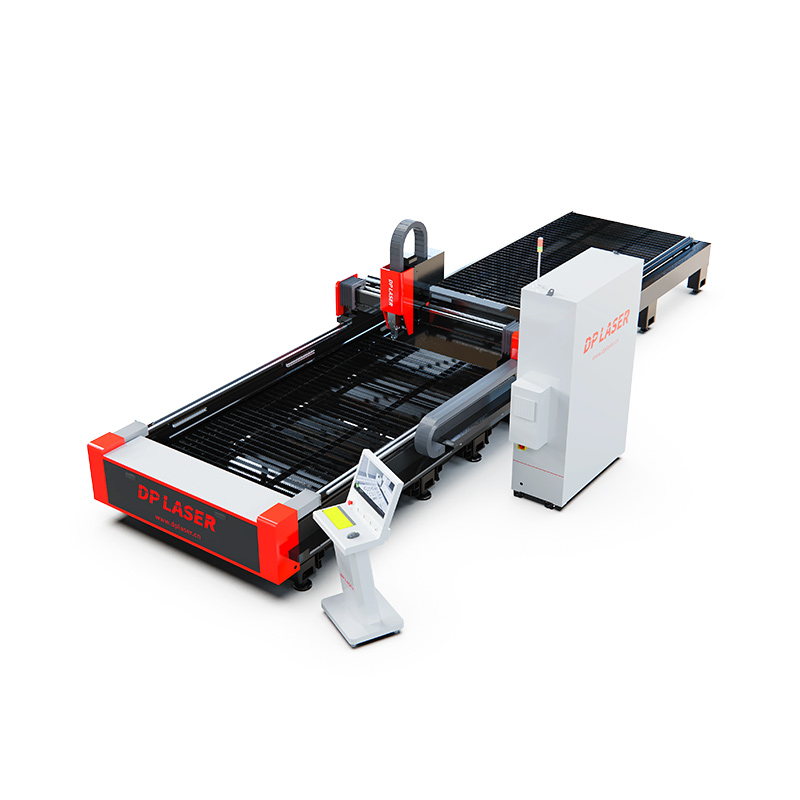
You have several distinct paths to acquire new equipment. Each structure impacts your corporate balance sheet differently. Exploring laser cutting machine financing requires understanding these mechanisms fully.
The physical equipment serves as the primary collateral. You make fixed monthly payments over a set term. You gain full ownership from day one. Lenders usually require a basic down payment. They file a UCC-1 lien against the specific machine. Once paid off, the lien drops entirely.
Best for: Established businesses boasting solid credit histories. They want long-term asset retention. They plan to use the machine for a decade.
This structure functions much like a standard loan. Your business assumes all functional risks of ownership. You usually get a guaranteed buyout at the end. This buyout might be exactly one dollar. It could also be a nominal fixed percentage. The machine sits on your balance sheet as a capital asset.
Best for: Businesses prioritizing specific accounting treatments. You get immediate tax depreciation benefits. You retain the machine permanently after the lease ends.
The lessor retains actual legal ownership. You enjoy significantly lower monthly payments as a result. At term end, you can simply return the equipment. You could also upgrade it to a newer model. Alternatively, you can buy it at Fair Market Value (FMV). This acts more like a long-term rental agreement.
Best for: Shops worried about rapid technology obsolescence. They prefer upgrading to higher-wattage machines every few years. They want maximum flexibility without permanent commitment.
Fast approvals drive these algorithm-based platforms. They often integrate directly into supplier checkout pages. The process feels seamless and highly accessible. You usually bypass lengthy manual underwriting procedures.
Best for: Startups and ambitious hobbyists scaling up. Buyers purchasing entry-level desktop machines frequently use this path. It suits transactions typically falling under $20,000.
| Financing Type | Ownership Status | End of Term Action | Ideal Business Profile |
|---|---|---|---|
| Equipment Loan | Immediate Ownership | Keep the equipment | Established shops wanting long-term use |
| Capital Lease | Assumed Ownership | $1 or nominal buyout | Shops seeking tax depreciation benefits |
| Operating Lease | Lessor Owns Asset | Return, upgrade, or buy at FMV | Shops planning frequent technology upgrades |
| B2B BNPL | Immediate Ownership | Keep the equipment | Startups buying entry-level machinery |
Smart accounting drastically changes the final price tag. Governments actively encourage businesses to invest in heavy equipment. Leveraging tax codes strategically preserves your working capital.
US businesses gain a massive benefit here. You can deduct the full purchase price of qualifying equipment. You do this in the tax year you put it into service. This beats depreciating the asset slowly over several years. It frees up major tax capital immediately. You can reinvest those massive tax savings right away. The IRS sets annual deduction limits. You must verify current limits before purchasing.
Other regions offer similar capital allowance incentives. The UK provides the Annual Investment Allowance (AIA). Australia has utilized instant asset write-off programs frequently. Canadian businesses leverage specific Capital Cost Allowance (CCA) classes. Always check your local tax codes for machinery incentives. Governments change these stimulus programs regularly.
Tax savings offset your interest costs heavily. This lowers your net cash outlay during the critical first year. Calculate these deductions carefully. You improve your bottom line immediately. A strategic tax approach minimizes the burden of borrowing. (Disclaimer: Always consult a certified tax professional before making tax-based financial decisions.)
Selecting the right product requires honest internal auditing. You must match the financial product to your specific operational reality. Follow these evaluation steps carefully.
Lenders look closely at your operational history. Established businesses access prime rates easily. They usually need two years of history and a 650+ FICO score. Startups face tougher underwriting hurdles. They might see much higher interest rates. Lenders often demand strict personal guarantees from founders. You may need alternative startup funding structures initially. Building business credit early pays massive dividends later.
Calculate your return on investment conservatively. Ask yourself a critical analytical question. Will the machine generate enough net-new revenue? It should produce two to three times its monthly payment. Outsourced cost savings also count toward this ratio. If you stop paying external vendors, you capture that margin.
We recommend using this simple decision framework before applying.
The underwriting process contains specific hidden challenges. You must prepare for these practical realities before applying. Ignorance here causes severe purchase delays.
Base machine quotes rarely cover everything you need. Ensure your funding request includes all necessary soft costs. You must finance fume extractors and industrial chillers. Rotary attachments and heavy freight add up quickly. Initial training fees also require significant capital. Some lenders strictly cap these soft costs. They might limit them to 10-20% of the total loan. Plan your total requested amount carefully.
Understand the credit timeline before applying anywhere. Getting pre-qualified early establishes your true buying budget. A pre-qualification usually involves a harmless soft credit pull. However, you should avoid multiple hard credit pulls. Wait until you select a final equipment vendor. Too many hard inquiries will damage your credit score. Protect your credit rating aggressively during the shopping phase.
Lenders will absolutely require comprehensive insurance policies. You must cover the equipment fully before they release funds. They require a certificate of insurance listing them as the loss payee. This requirement adds a marginal ongoing monthly cost. Factor this insurance premium into your tight operational budget. Do not let this mandatory expense surprise you later.
The best financial option balances your monthly operational cash flow perfectly. It must support your long-term business goals effectively. Do not let upfront capital requirements stall your shop's growth.
We encourage buyers to gather at least two formal quotes. Get one from the manufacturer’s preferred financial partner. Secure another from an independent equipment lender. Compare their exact rates, terms, and total out-of-pocket expenses. Review the soft cost caps and end-of-term buyout rules closely.
Request a formal machine quote today. Begin your internal revenue calculations and start the pre-approval process immediately. Smart financing unlocks your production potential.
A: Yes, but it typically requires a strong personal credit score. You also need a detailed business plan showing projected revenue. Lenders might demand a higher down payment. They frequently charge higher interest rates to offset startup risks. A personal guarantee from the founder is almost always mandatory.
A: It depends heavily on the lender and your credit profile. Many equipment loans offer 100% funding structures. They require zero down, taking only the first and last month's payment upfront. Startups or shops with lower credit scores usually need to provide a 10% to 20% down payment.
A: Entry-level BNPL algorithms can approve you instantly at checkout. Standard commercial equipment underwriting typically takes 24 to 48 hours. Ensure your tax returns and bank statements are ready. Organized paperwork speeds up manual underwriting considerably.
A: Usually yes. However, lenders often classify these items as soft costs. They might restrict soft costs to a specific percentage of the total hardware value. Always verify these strict limits early in the application process. You may need to pay excess soft costs out of pocket.


