
Views: 0 Author: Site Editor Publish Time: 2026-07-11 Origin: Site


Investing in a fiber laser represents a major capital expenditure for any fabrication shop. Making the wrong choice directly impacts cash flow. It consumes valuable floor space and causes severe production bottlenecks. You must differentiate fiber lasers from older CO2 and diode models immediately. Fiber technology remains the undisputed standard for modern metalworking. It delivers unmatched speed, reliability, and precision. This guide provides a pragmatic, hype-free framework for your next purchase. It helps you evaluate equipment based on operational realities rather than idealized spec sheets. You will discover how to match machine wattage to your specific material thickness perfectly. We will expose hidden implementation costs often overlooked by first-time buyers. You will also learn why software ecosystems matter just as much as the physical hardware.
Fiber lasers process metals exclusively. They easily slice through stainless steel, carbon steel, aluminum, brass, and copper. They cannot cut wood, acrylic, or plastics. You will damage the equipment or cause a severe fire if you attempt to process non-metals. The technology relies on a highly specific 1.06 µm wavelength. Metal absorbs this wavelength significantly better than the broader beam produced by a traditional CO2 laser.
This superior absorption makes the technology highly efficient. It converts electrical power into cutting energy with minimal waste. Experts widely consider it the best laser cutter for metal available today. Business success depends on defining clear, measurable goals before purchasing. You might want to bring outsourced fabrication back in-house to control lead times. You may aim to increase your overall cutting speeds threefold. Perhaps you need to eliminate costly secondary finishing processes like deburring. Define these specific criteria early. They guide your entire procurement journey.
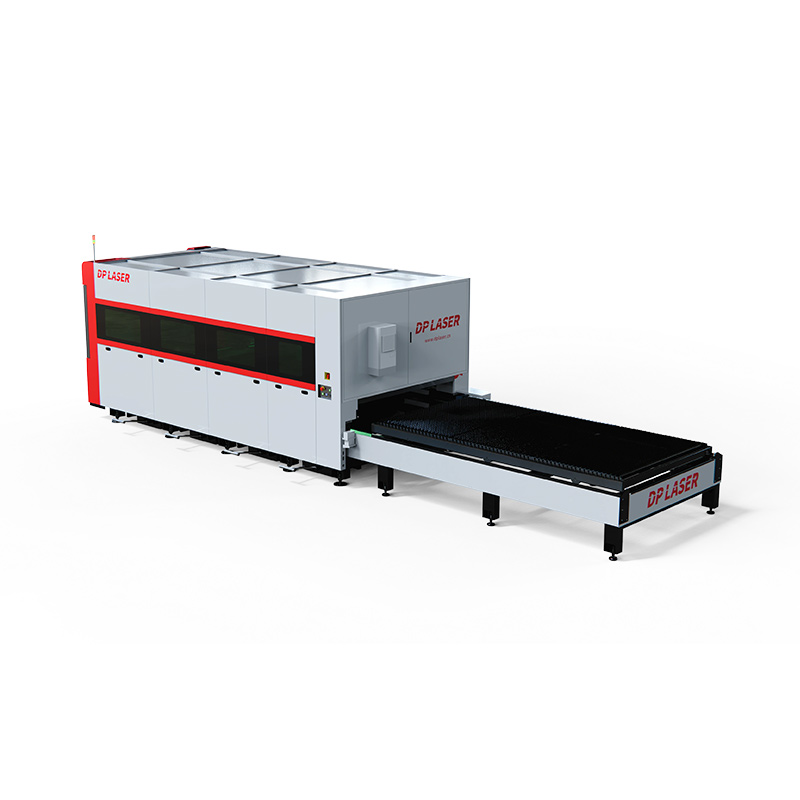
You must match laser power directly to your daily material thickness requirements. Wattage ultimately dictates your production capabilities. Always evaluate equipment based on its continuous cutting capacity. Do not rely on maximum severance capacity. Maximum severance means the machine struggles heavily to break through the material. Continuous capacity ensures reliable, clean cuts hour after hour.
Here is a general guide detailing power classes against common applications.
| Laser Power Range | Primary Material Focus | Typical Application Scenario |
|---|---|---|
| 1kW – 2kW | Thin sheet metal (up to 3mm) | HVAC ductwork, light signage, prototyping |
| 3kW – 6kW | Medium plates (up to 12mm) | Automotive parts, machinery enclosures, general fabrication |
| 8kW – 12kW+ | Thick steel plates (up to 25mm+) | Heavy construction equipment, shipbuilding, industrial manufacturing |
Build quality matters immensely. You need a heavy, stress-relieved machine frame. High-quality frames prevent micro-vibrations during rapid movements. Cast aluminum gantries offer another massive advantage. They remain incredibly rigid yet lightweight. This combination ensures extreme precision at high acceleration speeds.
Industry-standard components serve as strong indicators of overall machine reliability. Look for renowned laser sources built by IPG, Raycus, or MAX. Inspect the cutting heads carefully. Precitec or Raytools heads offer excellent autofocus capabilities and durability.
Software ecosystems directly impact your daily efficiency. A clunky interface increases the operator learning curve. CypCut remains a highly popular, user-friendly control system. You must also evaluate CAD/CAM nesting software compatibility closely. Good nesting software saves hours of programming time and reduces material waste. Finding the best fiber laser cutting machine requires balancing these software and hardware elements perfectly.
Fabrication shops operate at vastly different scales. You must select a machine category aligning precisely with your floor space, budget, and daily volume.
These models target small businesses, prototyping labs, or advanced hobbyists. They focus on maintaining a fully enclosed, compact footprint. Many shops lack industrial infrastructure. Therefore, buyers often prioritize 110V or 220V single-phase electrical compatibility for low-wattage models. Ease of use remains the primary selling point here. They process small batches efficiently without requiring dedicated programming engineers.
These systems serve growing fabrication shops needing versatile sheet metal processing. They typically operate in the 2kW to 4kW power range. You will frequently see interchangeable pallets featured on these models. Pallet changers allow operators to load raw material while the machine cuts another sheet simultaneously. This moderate automation doubles your daily throughput. They handle diverse daily requests, from custom brackets to structural components.
Enterprise-level manufacturers require 24/7 continuous production capabilities. These massive systems utilize 6kW to over 12kW of raw power. They feature fully automated material loading and unloading towers. Operators rarely handle the raw metal sheets manually. These machines demand heavy-duty environmental controls, robust chillers, and dedicated floor spaces. They thrive in high-stakes manufacturing environments.
Base machine prices rarely reflect your final operational setup costs. Facility requirements often surprise first-time buyers. Most industrial models demand robust 3-phase power. You cannot plug them into standard wall outlets. Grounding requirements remain incredibly strict to protect sensitive internal electronics. You must also verify your concrete floor load capacity. Heavy frames combined with rapid gantry movements require stable, reinforced foundations.
Assist gases represent a significant, ongoing operational expense. You need oxygen to cut carbon steel effectively. Oxygen creates an exothermic reaction, speeding up the process. Conversely, you use nitrogen or highly filtered compressed air for stainless steel and aluminum. Nitrogen prevents edge oxidation, leaving a perfectly clean, weld-ready finish. You must purchase storage tanks, high-pressure regulators, and specialized piping to manage these gases.
Safety and compliance demand your full attention. Fiber lasers operate as Class 4 laser devices. OSHA and FDA regulations mandate strict safety protocols. You must install full machine enclosures. Operators require specialized laser-safe viewing windows. The extreme heat generates hazardous particulate matter. You must invest in industrial fume extraction and heavy-duty HEPA filtration systems.
Consumables require a dedicated monthly budget. Maintain realistic expectations regarding routine maintenance. Operators must regularly replace protective lenses, copper nozzles, and ceramic rings. A clean protective lens ensures maximum beam quality. Delaying consumable replacement degrades cut quality rapidly and risks damaging the expensive cutting head.
A structured Return on Investment calculation validates your purchasing decision. Start by quantifying your current outsourced metal cutting costs. Add up all vendor invoices from the past year. Include the financial impact of delayed vendor shipments. Compare this total against the cost of an in-house machine. Factor in monthly equipment leasing rates, skilled operator wages, electricity usage, and bulk gas consumption. Most shops discover a payback period between 14 and 24 months.
Never import completely unsupported machinery to save money upfront. The initial savings vanish during your first major breakdown. Warranty terms and Service Level Agreements dictate your long-term success. Demand access to domestic service technicians. Require guarantees regarding spare parts availability. Insist on comprehensive, on-site operator training during the initial installation.
Execute a strict shortlisting action plan before signing any purchase orders. Send the manufacturer a physical CAD file representing your most complex part. Request a documented time-study detailing exact cutting durations. Demand a physical sample cut using your specific material grade and thickness. Inspect the sample for edge dross, heat-affected zones, and precise kerf widths. Finally, check references. Speak directly to local fabrication shops currently running the exact model you plan to buy.
Selecting the right equipment balances raw cutting power against your facility constraints and long-term business goals. You must analyze your most frequent material thicknesses before committing to a specific wattage. Remember to allocate adequate budget for hidden facility upgrades, assist gas infrastructure, and mandatory safety enclosures. A successful installation requires robust software compatibility and localized, responsive technical support. Do not settle for impressive spec sheets alone. Contact a qualified sales engineer today. Request a custom ROI analysis based on your exact production volume. Schedule a live material testing demonstration to see the technology perform on your actual parts.
A: Modern fiber laser sources boast an estimated diode life expectancy of approximately 100,000 hours. This translates to roughly 11 to 15 years of reliable performance under standard operational conditions. Proper chiller maintenance and strict environmental dust control help maximize this impressive lifespan.
A: Yes, modern systems effortlessly cut highly reflective metals like brass, copper, and polished aluminum. Older equipment struggled due to harmful back-reflections damaging the laser source. Today, advanced isolators and specialized cutting head designs absorb these reflections safely, ensuring continuous, high-quality processing.
A: Prices vary drastically based on power and features. Entry-level, low-wattage models range from $20,000 to $40,000. Mid-range job shop systems with pallet changers cost between $50,000 and $150,000. High-power industrial machines featuring full automation often exceed $200,000.
A: Flatbed cutters can perform light surface marking or part numbering using low-power settings. However, they remain too slow for high-volume, detailed graphic engraving. You should purchase a dedicated galvo fiber engraver if your business requires rapid, intricate, high-resolution metal engraving.


