
Views: 0 Author: Site Editor Publish Time: 2026-07-23 Origin: Site


Sourcing a high-power industrial laser represents a major capital expenditure for any fabrication shop. The upfront price tag shows only a fraction of your actual commitment. You need equipment capable of integrating smoothly into your daily production environment. Selecting the wrong system often causes crippling downtime and frustrated operators.
The real challenge extends far beyond simply finding a machine online. You must identify a dependable vendor ecosystem. A solid vendor ensures maximum machine uptime, provides accessible replacement parts, and delivers highly responsive technical support. Many buyers suffer significant operational delays simply because they overlook the necessary post-sale infrastructure.
This guide delivers a strict, evidence-based evaluation framework. We will help you vet vendors and compare different machine categories effectively. You will learn exactly how to verify component traceability, navigate hidden implementation risks, and evaluate support networks. Use these practical strategies to minimize your operational risk when navigating the complex industrial market.
Finding a reliable fiber laser cutting machine for sale requires you to evaluate the source as rigorously as the machine itself. The industrial market offers three primary channels. Each channel carries distinct operational realities regarding onboarding, warranties, and long-term support.
Working directly with domestic manufacturers provides the highest level of accountability. These companies usually build or assemble the machines locally. They maintain dedicated field service teams.
Importers source machinery from overseas and rebrand or distribute them locally. They focus on moving high volumes of standardized models.
Brokers buy and sell pre-owned fabrication equipment. They cater to shops needing rapid capacity expansion.
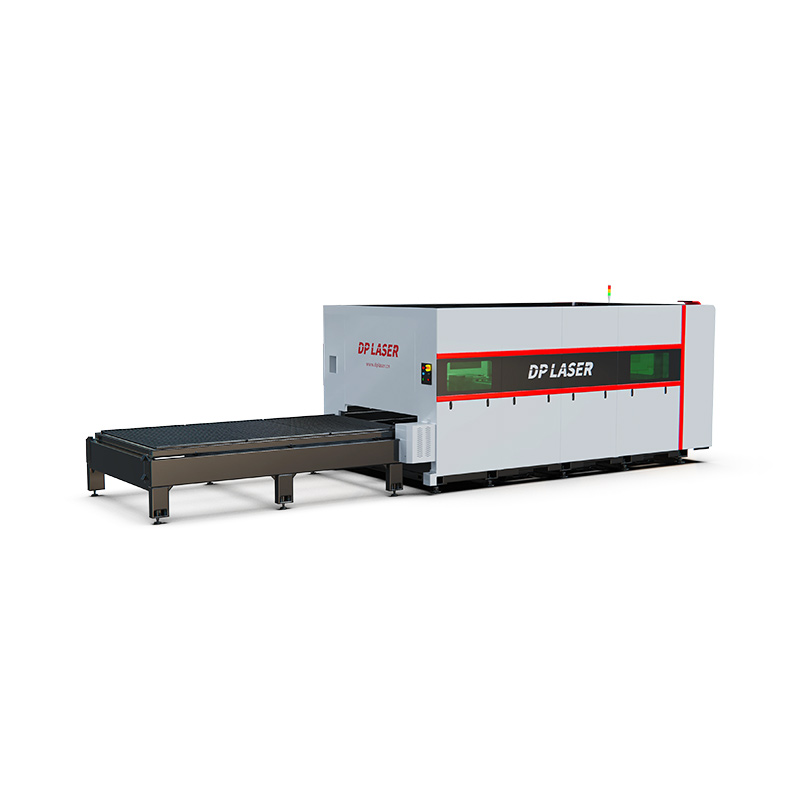
Evaluating machine specifications requires mapping features directly to your production outcomes. Avoid getting distracted by flashy marketing brochures. Instead, demand concrete data regarding the internal components.
You must match the laser power directly to your specific material types and thickness requirements. Underpowering leads to slow cutting speeds and excessive dross. Overspending on unnecessary wattage wastes capital.
A 1kW to 3kW source handles thin-gauge sheet metal perfectly. However, if you regularly process half-inch steel plates, you need a 6kW to 10kW+ system. Reputable vendors will analyze your parts list before recommending a specific wattage.
The comparison chart below illustrates baseline power requirements across common materials.
| Laser Power | Mild Steel (Max Recommended) | Stainless Steel (Max Recommended) | Primary Application |
|---|---|---|---|
| 1.5 kW | 12 mm | 5 mm | HVAC ductwork, thin enclosures |
| 3.0 kW | 16 mm | 8 mm | General fabrication, brackets |
| 6.0 kW | 22 mm | 12 mm | Heavy machinery parts, structural |
| 12.0 kW+ | 30 mm+ | 20 mm+ | Shipbuilding, thick plate processing |
Transparency matters. Reliable equipment relies on globally recognized components. Demand transparency regarding the laser source brand. Industry standards include IPG Photonics, Raycus, or MAX Photonics. The cutting head dictates your beam quality. Ask if they use proven heads like RayTools or Precitec.
You should also verify the brands of the servomotors, chillers, and CNC control systems. When vendors use white-labeled or unbranded components, diagnosing future electrical failures becomes incredibly difficult.
Assess the physical footprint and safety mechanisms. Compact open-bed systems lack a roof or safety glass. They fit well in small shops cutting thin materials, but they require strict safety protocols and personal protective equipment.
Fully enclosed systems offer automated shuttle tables. These machines allow operators to unload finished parts while the machine cuts a new sheet inside the enclosure. This setup maximizes throughput and adheres strictly to rigorous optical safety standards.
The machine's nesting software must integrate seamlessly into your existing CAD/CAM workflows. Ask vendors to demonstrate how their software imports your specific DXF or DWG files. Avoid systems locking you into proprietary design ecosystems. You want software capable of automatic nesting, lead-in optimization, and remnant tracking.
Deploying heavy industrial machinery introduces significant logistical challenges. The physical installation process demands meticulous planning. Ignoring site requirements often delays production by weeks.
Factor in the complexities of specialized freight and unloading. An enclosed industrial laser system weighs several tons. You need specialized riggers to offload the flatbed truck safely. Moving the machine into facility placement requires heavy-duty forklifts or overhead cranes. Your concrete floor must meet specific thickness and leveling tolerances to prevent the machine frame from twisting over time.
Industrial machinery draws massive amounts of electricity. Assess your current electrical panel capacity. Almost all systems require dedicated 3-phase power drops. You may need a commercial electrician to install step-down transformers to match the machine's voltage requirements.
Additionally, assess your pneumatic and gas infrastructure. You need dedicated, moisture-free air compressors for shop air cutting. Processing stainless steel requires massive amounts of high-pressure Nitrogen. You must plan for specific assist gas storage solutions, such as bulk liquid dewars or nitrogen generation systems.
Daily operation requires a strict maintenance schedule. You must model the supply chain for protective lenses and copper nozzles. These items degrade rapidly if operators use poor cutting parameters. Chiller maintenance represents another critical task. You must regularly check coolant levels, clean condensers, and monitor water conductivity to prevent the laser source from overheating.
Navigating safety compliance requires diligence. Laser equipment must meet FDA/CDRH class safety requirements. A fully enclosed machine usually qualifies as a Class 1 device under normal operation. Open-bed machines operate as Class 4 devices, requiring strict access control in your shop.
Furthermore, vaporized metal creates hazardous fumes. You must install necessary fume extraction and dust collection systems. These units ensure your shop complies with local environmental regulations and indoor air quality standards.
Protecting your investment means adopting a highly skeptical approach during vendor negotiations. Watch out for predatory practices and exaggerated claims. When evaluating a fiber laser cutter for sale, certain warning signs should immediately pause the transaction.
Carefully read the fine print on warranty documents. Unscrupulous vendors highlight a "three-year warranty" but bury exclusions in the contract. They often cover the welded steel frame but specifically exclude the actual laser source, cutting head, or fiber optic delivery cable. Ensure the warranty comprehensively covers the most expensive internal components.
Avoid vendors forcing you into proprietary consumable contracts. Some companies design their cutting heads to accept only their specific, marked-up replacement nozzles and lenses. You should always prefer equipment utilizing standard, off-the-shelf components. This freedom allows you to source generic consumables from third-party industrial suppliers, preventing supply chain bottlenecks.
Never purchase a machine sight unseen. A major red flag arises if a vendor refuses or claims inability to run custom sample cuts. They might offer to cut their own pre-optimized demo files. Reject this approach. You must demand they cut your actual material using your specific CAD files. If they cannot produce a clean edge on your parts in their showroom, they will not magically succeed on your shop floor.
Some vendors boast about nationwide support but lack an actual network of field service engineers. We call this a "ghost" support infrastructure. Ask for a list of locally stationed technicians. Request a virtual tour of their domestic parts inventory warehouse. If they ship every replacement sensor directly from overseas, your machine might sit idle for two weeks waiting on customs clearance.
Once you narrow down your options, you must validate vendor claims through concrete evidence. Drive the final evaluation using strict shortlisting logic.
Mandate a live or recorded demonstration cutting your specific part files. Send the vendor a challenging geometry featuring sharp corners, small holes, and thick materials. Request a live video call during the cutting process. Watch how easily the operator sets the focus and adjusts the assist gas. This proof of concept verifies the machine's true capability, moving past idealized marketing metrics.
Verbal promises hold no weight during a machine breakdown. Demand written guarantees regarding technician dispatch times. A strong Service Level Agreement dictates exactly how many hours the vendor has to respond to a critical failure. Ask them to document their guaranteed parts availability timeframe in the final purchasing contract.
Nothing reveals the truth faster than speaking directly with current users. Ask the vendor for three references operating in similar industries to yours. Call these shop owners. Ask them specifically about their machine downtime. Inquire about the vendor's actual resolution speed when things go wrong. A trustworthy manufacturer gladly connects you with their satisfied customer base.
Securing reliable industrial equipment requires looking far past the initial spec sheet. You must rigorously vet the vendor's underlying infrastructure. A high-wattage source means nothing if the machine suffers from frequent downtime and nonexistent technical support.
Focus your evaluation on component transparency and verifiable domestic support availability. Demand clear, comprehensive warranty terms. Prioritize these operational guarantees over the lowest initial price tag. By following this evidence-based framework, you ensure smooth implementation, safeguard your production schedule, and secure long-term profitability for your fabrication business.
A: Industry standards typically estimate the lifespan of a solid-state diode source at around 100,000 continuous hours. However, actual longevity depends heavily on your operating environment. Proper chiller maintenance, consistent temperature control, and a dust-free electrical cabinet significantly extend the life of the internal modules.
A: Yes, it can be a sound investment if sourced through a reputable industrial broker. You must conduct a thorough independent inspection before purchasing. Always verify the current condition of the internal laser source and test the delivery fiber cable for any optical degradation or power loss.
A: Footprint realities extend far beyond the machine's physical dimensions. You need dedicated clearance around the machine for the water chiller and dust collector. You must also allocate space for bulk assist gas tanks and leave wide aisles for forklift material handling and loading areas.
A: Yes. Almost all industrial fabrication equipment requires dedicated 3-phase power. Standard single-phase residential or light-commercial power cannot handle the load. We strongly advise buyers to consult with a licensed commercial electrician during the quoting phase to verify incoming voltage and transformer requirements.


