
Views: 0 Author: Site Editor Publish Time: 2026-07-29 Origin: Site


In today's fast-paced manufacturing landscape, profit margins remain incredibly tight. Lead times shrink constantly. Many fabrication shops struggle daily to meet rapid delivery demands. Legacy cutting methods often create severe operational bottlenecks across the shop floor. Technologies like standard plasma, older CO2 lasers, or mechanical punching struggle to keep up. They slow down production workflows and frustrate machine operators. Transitioning to modern solid-state solutions completely changes this dynamic. Investing in a sheet metal fiber laser cutting machine goes beyond a simple capacity upgrade. It represents a strict strategic requirement. You absolutely need it to secure competitive pricing and maintain elite part quality. This guide breaks down essential performance metrics and real-world implementation factors. We want to help fabrication buyers make evidence-based purchasing decisions. You will learn exactly how modern laser systems outperform older technology. We cover everything from cutting speed advantages to critical supplier evaluation steps.
Many fabricators currently rely heavily on older mechanical systems. Plasma cutters and CO2 lasers once ruled the modern shop floor. Today, they often struggle against rigorous modern production demands. We continually see high maintenance burdens limiting daily output. CO2 machines rely heavily on complex, delicate mirror alignments. Technicians spend hours adjusting beam delivery paths manually. These machines also consume expensive resonator gases continually just to operate. Plasma cutters handle exceptionally thick plates quite well. However, they leave a noticeably wider kerf. They also create excessively large heat-affected zones on the metal. This forces workers into extensive secondary finishing routines.
Modern technology solves these critical issues fundamentally. A solid-state setup uses an entirely different beam delivery mechanism. Active ytterbium-doped optical fibers generate the laser beam directly inside the unit. A flexible fiber optic cable then delivers this intense light directly to the cutting head. We completely eliminate delicate mirror systems. Bellows, internal alignments, and purge gases vanish from your maintenance checklist entirely.
Speed increases dramatically across your entire operation. Solid-state beams cut thin metal incredibly fast. You can achieve speeds up to three to five times faster than standard CO2 systems. Throughput jumps exponentially. This allows you to process more jobs daily. You can confidently quote much faster lead times to your clients.
Material versatility also expands significantly. Older machines struggled against reflective materials constantly. Back-reflection often damaged expensive CO2 resonators permanently. Modern optical cables handle these difficult metals easily. You can safely cut aluminum, brass, copper, and heavily galvanized steel. They process highly reflective alloys without risk. This opens up new, highly lucrative markets for your shop. You no longer have to turn away specialized aerospace or complex electronics enclosures.
Cutting Technology Comparison
| Feature | CO2 Laser | Plasma Cutter | Fiber Laser |
|---|---|---|---|
| Speed (Thin Metal) | Moderate | Fast | Extremely Fast |
| Operating Cost | High | Medium | Low |
| Beam Delivery | Mirrors & Gas | Torch & Air | Fiber Optic Cable |
| Reflective Metals | Poor / Dangerous | Good | Excellent |
| Maintenance Need | High | High | Low |
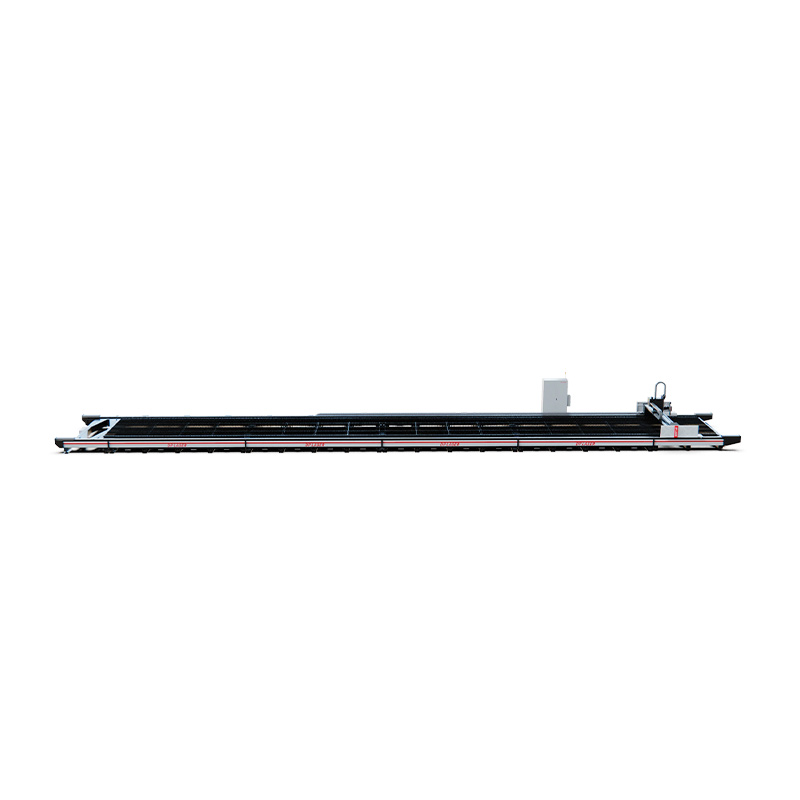
Precision defines modern fabrication success. Micron-level accuracy separates top-tier shops from struggling competitors. Solid-state beams produce a remarkably tight kerf width. The spot size of the beam is incredibly minute. This narrow cut allows you to design complex geometries easily. Dense part nesting becomes a daily reality. You maximize material yield across every single sheet you load. Scrap rates plummet drastically when parts sit just millimeters apart.
Edge quality improves significantly. High-quality laser cuts leave exceptionally smooth, clean edges. This minimizes downstream processing substantially. You effectively eliminate the need for manual deburring. Heavy grinding or intensive edge-prep becomes entirely unnecessary. This directly lowers your labor costs per part. Workers can focus on assembling products rather than endlessly cleaning parts. You ship finished products out the door much faster.
Heat-affected zones (HAZ) remain incredibly small. The highly concentrated beam works rapidly. It minimizes thermal distortion across the entire metal surface. You preserve the structural integrity of thin-gauge parts perfectly. Warping rarely occurs during intense processing. Thermal distortion often ruins thin-gauge assemblies. It causes massive alignment issues during welding downstream. By minimizing the heat zone, the surrounding metal stays cold. The microscopic grain structure of the steel remains entirely unchanged. Your welders will notice the difference immediately. Your final product maintains strict dimensional accuracy from start to finish. We see far fewer rejected parts during quality control checks. This translates directly to happier clients and consistent repeat business.
Fabricators often hesitate at the initial capital expenditure. Modern automated systems require a significant upfront investment. However, you must frame this cost against undeniable long-term value. The accelerated payback period justifies the price very quickly. Increased cutting capacity drives new revenue streams rapidly. You easily amortize the machine cost over millions of flawless cuts.
Energy efficiency offers massive daily financial savings. Modern equipment boasts impressive wall-plug efficiency. They operate at roughly 30 percent total efficiency. In stark contrast, older CO2 lasers hover around 10 percent. Your monthly electricity bills drop noticeably. This significant reduction buffers your business against constantly rising utility rates.
Consumables also cost far less over time. You use fewer specialized parts daily. Nozzles and protective lenses remain your primary consumable expenses. Legacy parts like expensive mirrors disappear entirely. You stock fewer spare parts in your shop's tool crib.
Assist gases impact your operating budget heavily. We must discuss these transparently. You have three main options for processing raw materials:
Fabricators often underestimate gas consumption costs. When you cut metal using high-pressure nitrogen, the sheer volume required is staggering. Many advanced shops eventually invest in their own on-site nitrogen generation systems. This eliminates recurring cylinder delivery fees forever. Compressed air cutting is also gaining massive popularity globally. A heavy-duty rotary screw compressor and an air booster supply pristine air. It cuts thin steel rapidly and cleanly.
Maintenance realities change drastically. The light source contains absolutely zero moving parts. This translates directly to fewer preventative maintenance interventions overall. You save days of unexpected downtime annually. However, operators must still care for the cutting head diligently. Keep external lenses spotlessly clean to ensure maximum cutting performance. Debris sitting on a lens will destroy it rapidly under intense power.
Purchasing the right sheet metal laser cutting equipment requires careful planning. You must size the power source correctly. Avoid upselling logic completely. Do not buy a massive 12kW system if you rarely cut thick plates. Recommend buying strictly for your 90 percent use-case. Ignore the 10 percent outlier jobs. A 3kW or 6kW laser handles standard thin-gauge work perfectly. You avoid overspending on completely wasted capacity.
Consider your bed size and physical footprint carefully. Standard sheet sizes usually run 4x8 or 5x10 feet. Ensure your floor space accommodates the machine easily. You must also leave ample room for essential peripherals. Chillers, electrical cabinets, and dust extraction units take up substantial space. Forklift access for loading must remain completely clear at all times.
Evaluate automation and scalability options thoroughly. Many shops aim for lights-out manufacturing eventually. Decide immediately if you need automated loading and unloading systems. Pallet changers speed up material transitions immensely. Tower storage systems organize raw materials vertically. These mechanical upgrades boost productivity overnight. They allow machines to run entirely unattended during night shifts.
Examine the software ecosystem closely. Nesting software compatibility remains crucial. Your new machine must integrate smoothly into existing CAD/CAM workflows. A user-friendly human-machine interface (HMI) guarantees fast operator adoption. Complex software severely slows down training and frustrates floor workers. Modern touchscreen controls simplify setup times significantly. Industry 4.0 connectivity matters greatly now. Modern HMI units offer real-time telemetrics. Managers can track machine uptime remotely from their smartphones. Advanced nesting algorithms have also evolved. AI-driven nesting reduces scrap by an additional five to ten percent.
The market currently floods naive buyers with low-cost machines. Cheap imports look incredibly tempting on paper initially. Initial savings seem fantastic for tight capital budgets. However, you face severe long-term risks. Proprietary parts often cause massive headaches later. Poor documentation leaves operators blindly guessing during critical repairs. Many imported machines completely lack essential compliance certifications. You must verify FDA/CDRH or CE safety standards strictly. Fines for severe non-compliance can cripple a small shop instantly.
Installation often carries substantial hidden costs. Facility requirements demand careful, early attention. You may need new high-voltage electrical drops installed. Foundation leveling ensures machine accuracy over long periods. Uneven floors warp heavy machine frames permanently. A 6kW machine with a dual pallet changer weighs several tons. If your concrete slab is too thin, the machine will settle unevenly over time. Gantry systems require absolute parallel alignment constantly. Even a millimeter of sag degrades your cutting tolerance. Always consult a structural engineer before taking delivery. Ambient temperature controls protect the sensitive laser source from overheating.
Evaluating the OEM supplier is absolutely vital. Your professional relationship begins after the installation finishes. You must conduct thorough due diligence before signing anything.
Here is a structured approach to evaluating your supplier thoroughly:
A modern solid-state beam system acts as a transformative investment. It effectively shifts your entire shop from reactive manufacturing to proactive fabrication. You immediately gain unparalleled speed and microscopic precision simultaneously. Daily operating costs shrink drastically while overall production capacity multiplies. You can effortlessly outpace local competitors still relying heavily on outdated legacy systems.
We highly advise conducting a dedicated time-study. Test your own complex part files with prospective vendors. Do this rigorously before making any purchasing decisions. Real-world tests reveal actual machine capabilities instantly. You see exactly how the equipment handles your specific geometric constraints. You verify exact cycle times firsthand rather than trusting sales brochures.
Take decisive action today to dramatically improve your fabrication capabilities:
A: Fiber lasers excel primarily in thin-to-medium sheet metal. High-power systems can indeed cut thick plate effectively. However, plasma remains much more cost-effective for extreme thicknesses. If precise edge quality is secondary, plasma handles ultra-thick jobs better. Fiber rules the strict precision domain.
A: Nitrogen is the absolute best choice for stainless steel. It creates an oxide-free, perfectly clean edge. This eliminates secondary finishing requirements entirely. Keep in mind, nitrogen requires a much higher flow volume compared to oxygen. This increases your consumable costs slightly.
A: The industry standard expectation sits around 100,000 diode hours. This translates to over a decade of continuous daily operation. Achieving this lifespan requires proper environmental controls. Consistent preventative maintenance and strict temperature regulation play vital roles in overall longevity.
A: Yes, strict safety compliance dictates this. Class 1 safety enclosures are highly recommended globally. In most jurisdictions, they are legally required. The enclosure protects operators from stray laser radiation. Powerful light waves damage human retinas instantly without proper shielding.


