
Views: 0 Author: Site Editor Publish Time: 2026-07-26 Origin: Site


Investing in industrial equipment requires careful deliberation. Choosing the right machinery can skyrocket production efficiency. A poor choice often leads to frustrating downtime. You need a reliable technical partner. Evaluating a fiber laser cutting machine manufacturer is essential for your business growth. Quality machines deliver precise cuts. They also reduce material waste significantly. However, navigating the crowded market feels overwhelming. Countless suppliers claim to offer superior technology.
How do you separate industry leaders from average assemblers? The right approach involves strict criteria. We will explore key factors for assessing various suppliers. You will learn to evaluate internal component quality. We will also cover essential after-sales support protocols.
By the end of this guide, you will confidently identify a trusted laser cutting machine factory tailored perfectly to your specific operational needs.
Before contacting any supplier, you must define your production needs. Different applications require vastly different machine specifications. A high-power system excels at piercing thick steel plates. A low-power system handles thin aluminum sheets perfectly. You cannot rely on a generic approach. Every fabrication shop faces unique daily challenges.
You must evaluate your typical workflow carefully. Certain metals reflect laser beams heavily. Cutting copper or brass demands specialized reflection protection. Standard machines might sustain damage during these tasks. High-quality equipment incorporates specific safeguards. You should document your daily operational metrics.
Prepare a detailed list of requirements. Sharing this information helps suppliers recommend appropriate models. Consider documenting the following operational parameters:
Best Practice: Always request sample cuts using your actual materials. You should send your own metal sheets to the supplier. They can process your specific geometry. You can then measure the edge quality firsthand. This eliminates theoretical guesswork completely.
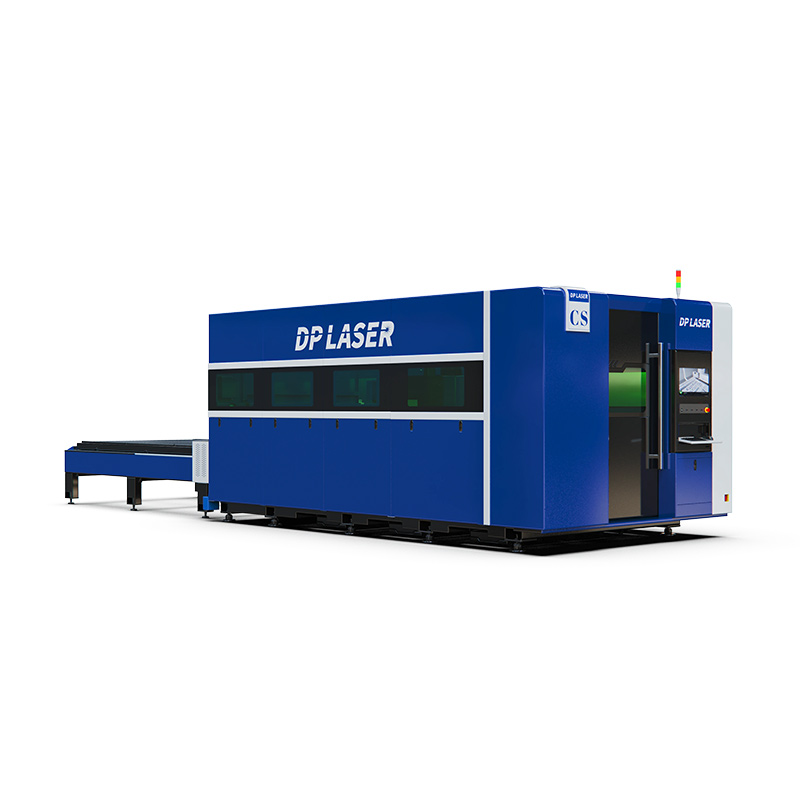
Experience matters immensely in industrial manufacturing. A seasoned fiber laser cutting machine manufacturer understands complex engineering challenges. They have spent years refining their equipment designs. You should investigate their historical track record thoroughly. Look for verified client testimonials. Seek out independent reviews across prominent industry forums.
Many companies present themselves as original manufacturers. However, some operate purely as trading companies. They outsource assembly processes entirely. True manufacturers maintain dedicated research and development teams. They control the engineering process from start to finish. You want a partner possessing deep technical expertise.
Visiting the production facility provides invaluable insights. Factory audits reveal true operational capabilities. You can observe their assembly lines directly. Pay attention to their inventory management. Notice how their technicians handle delicate optical components. A clean, organized environment indicates strict manufacturing discipline.
Common Mistake: Relying solely on polished marketing brochures. Glossy photos rarely reflect everyday operational reality. Always ask for reference contacts from current customers. Speak to machine operators directly. They will provide honest feedback regarding machine stability.
Core components dictate machine reliability completely. You must scrutinize the internal hardware carefully. Top-tier brands utilize parts from recognized global leaders. Inferior components cause frequent breakdowns. They also compromise edge quality severely. You deserve equipment built for heavy-duty industrial use.
The laser source generates the cutting beam. This represents the heart of your equipment. Premium sources ensure consistent beam delivery. The cutting head focuses this energy precisely. High-quality heads feature auto-focus capabilities. This improves piercing times on thick plates. Servo motors control positioning accuracy. High-torque motors ensure the cutting head accelerates rapidly.
The chart below outlines key evaluation metrics for essential hardware components.
| Component Type | Evaluation Metric | Ideal Characteristics |
|---|---|---|
| Laser Source | Beam stability and power output | Consistent wattage, minimal degradation over time, anti-reflection features. |
| Cutting Head | Focal adjustment and sealing | Auto-focus capability, IP65-rated sealing against dust, robust collision protection. |
| Machine Bed | Rigidity and thermal resistance | Heavy-duty welded steel or cast iron, thermally annealed to prevent deformation. |
| Servo Motors | Torque and acceleration | High precision, rapid response times, absolute encoders for exact positioning. |
| Control System | Processing speed and interface | User-friendly UI, predictive maintenance alerts, seamless CAD/CAM integration. |
Evaluating this technology requires a systematic approach. You should follow a standardized verification process. This ensures you compare different suppliers objectively. Follow these steps during your evaluation:
Industrial machines experience wear over time. Operational issues will inevitably arise. Fast troubleshooting prevents catastrophic production delays. Therefore, comprehensive after-sales support remains non-negotiable. You must assess the service infrastructure of your chosen laser cutting machine factory carefully.
Response times matter during production crises. Determine how quickly their technicians reply to inquiries. Do they offer 24/7 technical hotlines? Can their engineers access your machine remotely? Remote diagnostics solve many software glitches instantly. This saves valuable days waiting for on-site visits.
Spare parts availability is equally crucial. Ask about their local inventory levels. Sourcing replacement lenses from overseas takes weeks. A reputable supplier maintains fully stocked regional warehouses. They ship critical consumables overnight. This keeps your production lines moving smoothly.
Operator training ensures maximum equipment utilization. Complex CNC systems require specialized knowledge. Your staff must understand maintenance schedules perfectly. Excellent suppliers provide multi-day training sessions. They teach basic troubleshooting techniques. They also train your team on advanced nesting software.
What to watch out for: Vague warranty agreements. Always read the fine print carefully. Ensure the warranty covers major components like the laser source entirely. Understand the specific conditions voiding the warranty.
Trustworthy equipment requires strict quality control protocols. Reputable builders adhere to international manufacturing standards. These certifications prove their commitment to engineering excellence. You should request copies of all relevant compliance documents.
ISO 9001 certification demonstrates robust organizational processes. It shows the factory monitors every assembly stage. CE marking ensures strict compliance regarding European safety standards. This guarantees the machine features proper electrical shielding. It also verifies the inclusion of necessary emergency stop mechanisms. FDA compliance matters for certain laser classifications globally.
Quality control extends beyond basic paperwork. Modern factories employ advanced testing equipment. They use laser interferometers to verify positioning accuracy. They conduct 72-hour continuous aging tests before shipping. This stress-tests the entire system thoroughly. It reveals hidden defects before the machine leaves the facility.
Ask the supplier about their pre-shipment inspection routines. Request a comprehensive quality control report. This report should detail specific tolerance measurements. It must confirm the machine meets stated specifications perfectly. Transparency during this phase indicates a trustworthy manufacturing partner.
Selecting the ideal machinery partner shapes your operational future. Thorough research prevents frustrating production bottlenecks. You must evaluate every supplier systematically. Focus entirely on technical merit, support infrastructure, and component reliability.
Here are your immediate next steps:
A: A high-quality laser source typically lasts around 100,000 operational hours. This translates to over a decade of continuous use. Proper environmental control extends this lifespan. You must maintain consistent cooling temperatures. Keeping the optical pathways completely dust-free also prevents premature degradation.
A: Yes, they can process reflective materials like copper and brass. However, you must choose a machine featuring specific anti-reflection technology. Standard units might suffer internal optical damage from reflected beams. Always verify reflective cutting capabilities before finalizing your equipment selection.
A: Daily maintenance takes minimal time. Operators must inspect protective lenses for debris. They should clean the cutting head exterior carefully. Checking water chiller levels is essential. Finally, operators must verify gas pressures before initiating heavy production runs. These simple steps ensure consistent accuracy.
A: Remote diagnostics solve the majority of technical issues. Technicians access the machine's control software directly via the internet. They can reset fault codes instantly. They also optimize cutting parameters remotely. This eliminates the need for technicians to travel for minor software glitches.
A: A heavy, rigid machine bed absorbs high-speed vibrations effectively. Lightweight frames flex during rapid acceleration. This flexing creates jagged edges on your final products. Heavy-duty cast iron or thickly welded steel ensures the cutting head maintains microscopic precision during complex movements.


