
Views: 0 Author: Site Editor Publish Time: 2026-07-28 Origin: Site


Investing in tube and pipe laser cutting technology represents a major capital expenditure. Equipment downtime directly impacts your profitability and tight production schedules. You need a highly reliable partner to ensure continuous daily operation.
Wattage and cutting speeds often look incredibly impressive on paper. However, the true viability of your investment relies heavily on vendor infrastructure. Vendor transparency and robust post-sale support matter far more than theoretical performance metrics. When machines inevitably break down, flashy technical specifications will not save your timeline.
This guide provides a skeptical, evidence-based framework for evaluating vendors accurately. We will teach you exactly what to verify before signing any purchase order. You will learn how to define technical baselines and demand physical proof. We also explore crucial post-purchase infrastructure elements to help you secure a profitable operational partnership.
Before contacting any pipe fiber laser cutting machine supplier, you must understand your own limits. Establish hard technical cut-offs internally first. Document your maximum tube diameters accurately. Measure the specific wall thicknesses your facility processes daily. Outline the exact shapes your production line handles most frequently. Are they round, square, rectangular, or complex structural profiles? Knowing these details prevents aggressive vendors from overselling unnecessary machine capacities. They often push larger machines lacking real benefits for your specific applications.
Next, clarify your exact throughput and mechanical automation needs. Does your facility operate on low-volume, highly customized batches? Such setups often require simple manual loading processes. High-volume manufacturing environments usually need semi-automatic bundle loaders to maintain pace. Some continuous operations demand fully automated loading and unloading systems. These automated systems minimize manual labor and reduce operator fatigue significantly. Match the machine's automation level directly to your real production flow.
Finally, determine all necessary local compliance and safety standards. Industrial equipment must meet specific regulatory requirements in your geographical region. Look for CE, FDA, or UL marks depending on your local laws. You cannot afford to install non-compliant machinery on your shop floor. Regulatory fines and forced downtime will destroy your planned return on investment quickly.
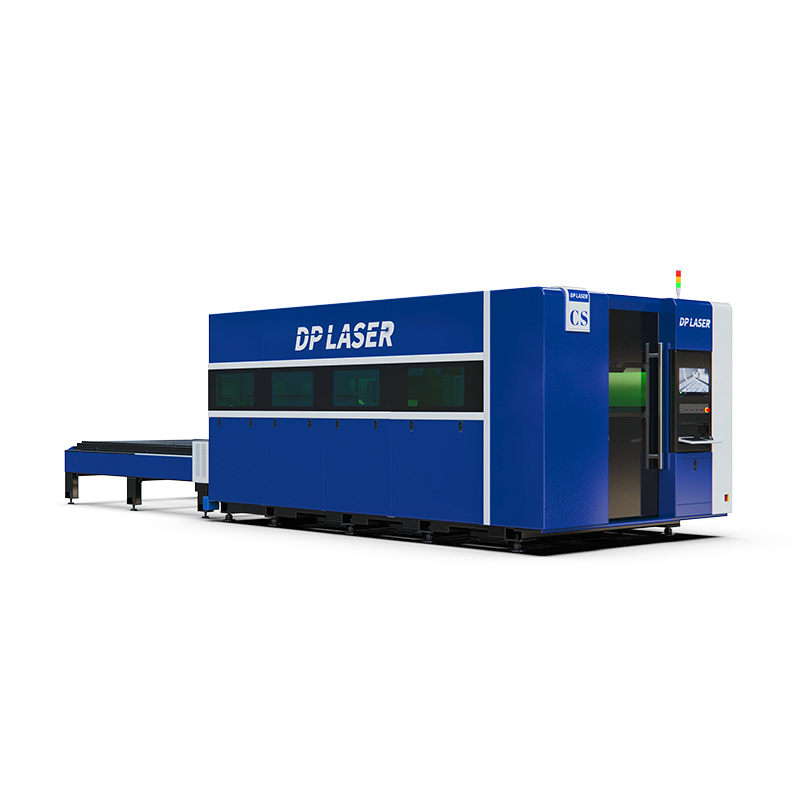
You must scrutinize the core hardware components rigorously. Chuck technology directly dictates cutting precision and material stability. Evaluate traditional pneumatic chucks against modern electric alternatives. Electric chucks usually offer superior clamping force control for delicate materials. The best pipe laser cutter supplier will explain their machine's clamping limits clearly. They should demonstrate functional zero-tailing capabilities to save you expensive raw material. Ask how they actively prevent tube deformation on thin-walled structural profiles.
Let us compare these two primary chuck types below to understand their operational differences.
| Feature | Pneumatic Chucks | Electric Chucks |
|---|---|---|
| Clamping Force | Moderate power, relies on external air pressure | Highly adjustable, precise digital control |
| Thin-Wall Processing | Higher risk of crushing or tube deformation | Excellent deformation prevention capabilities |
| Maintenance Needs | Requires regular seal checks and lubrication | Generally lower maintenance frequency |
| Operational Speed | Slightly slower opening and closing cycles | Rapid engagement for faster throughput |
Cutting head technology represents another critical hardware capability. Assess the availability of advanced 3D cutting heads. These specialized heads are essential for executing complex bevels. Complex bevels simplify weld preparation and speed up downstream assembly significantly. You also need to verify robust autofocus capabilities. Autofocus adjustments happen rapidly to accommodate varying wall thicknesses during the cut.
Software ecosystems dictate your daily production efficiency. Examine the provided nesting software carefully during the demonstration phase. Popular industry options include TubesT and Lantek suites. Confirm the software minimizes scrap reliably across varied nesting layouts. It must integrate seamlessly into your existing enterprise resource planning workflows.
Do not underestimate the value of post-sale support. This infrastructure proves long-term vendor reliability beyond the initial sale. Demand concrete proof of a localized service team. Remote video troubleshooting rarely fixes severe mechanical breakdowns on the shop floor. You need domestic technicians available for immediate physical dispatch. Fast technician deployment prevents disastrous production bottlenecks.
Spare parts inventory logistics are equally vital. A credible vendor stocks critical consumables locally inside your country. You need quick access to specialized nozzles, protective lenses, and ceramic rings. Replacement parts should ship within a 24 to 48-hour window reliably. Long lead times for simple components will destroy your delivery schedules completely.
Proper training ensures successful operator adoption and safety. Look for structured, multi-day onsite training programs for your entire staff. Your team must learn how to handle the new equipment properly. Evaluate the availability of advanced application training too. This specialized training helps when cutting highly reflective metals or extremely thick materials.
Finally, scrutinize the Service Level Agreement and actual warranty realities. Read the fine print carefully before signing the final document. Watch out for hidden clauses regarding core laser source warranties. Differentiate clearly between major structural components and standard wear-and-tear items. Ensure your legal coverage matches the aggressive verbal sales promises.
Upfront machine costs account for only a small fraction of your total expense. Look closely at initial installation and final commissioning fees. Identify whether complex rigging, factory installation, and initial calibration come included. Some vendors bill these critical services separately, causing immediate budget overruns. You must demand an itemized breakdown of all delivery logistics.
Ask for a transparent pricing matrix covering necessary consumables. High-wear components require regular replacement to maintain optimal cutting quality. Demand a clear schedule outlining all routine maintenance expenses. This transparency prevents billing surprises during the first two years of operation.
Power and gas efficiency define your daily operational overhead accurately. Evaluate the actual electrical consumption rates during peak production hours. Calculate assist gas usage based on your specific daily volume. Nitrogen, oxygen, and compressed air costs add up incredibly quickly. Efficient gas control valves save thousands of dollars annually.
Software upgrades often hide ongoing operational expenses. Clarify if machine firmware updates remain free for life. Some vendors require an expensive annual subscription for nesting software access. You need this specific information to project accurate long-term operational costs confidently.
You must test vendors rigorously before making a final purchasing decision. Follow a strict vetting process to eliminate weak or dishonest options. Here are three critical steps to finalize your optimal choice:
Choosing your laser cutting partner is a long-term operational commitment. It is never a simple, one-time transactional purchase. You rely entirely on this vital equipment to drive daily revenue. Your vendor must act as a responsive technical partner.
Walk away from vendors who evade direct questions about machine downtime. Refuse to work with sales teams who deny custom sample cuts. Avoid companies entirely if they lack robust domestic support infrastructure. Your business cannot afford prolonged delays waiting for international support tickets.
We encourage you to take immediate strategic action today. Submit your specific tube cutting requirements to several highly qualified vendors. Send them your difficult CAD files for an honest technical consultation. Request a custom sample cut to verify their engineering capabilities firsthand.
A: Lead times typically range from 8 to 16 weeks globally. This timeline depends heavily on the level of customization required. It includes factory manufacturing, international shipping logistics, and final onsite installation. Always confirm the delivery schedule in writing before finalizing the contract to prevent unexpected production delays.
A: Yes, many modern machines offer modular upgrade paths. However, retrofitting bundle loaders later is often more complex than buying built-in solutions. Plan for future scalability early. Discuss your automation roadmap directly to ensure the machine frame and nesting software can handle future mechanical additions easily.
A: Look for globally recognized laser brands like IPG, Raycus, or MAX. Top-tier sources provide consistent beam quality and extended operational lifespans. More importantly, verify these brands have dedicated authorized service centers in your specific country. Domestic serviceability is crucial for rapid repairs and minimal machine downtime.
A: Review the final contract for hidden logistics and handling fees. These often include domestic shipping, specialized rigging, and heavy offloading equipment. Also, factor in necessary peripheral requirements. You often need to purchase high-pressure air compressors for assist gas. Do not forget the cost of compliant exhaust extraction systems.


