
Views: 0 Author: Site Editor Publish Time: 2026-10-05 Origin: Site


Imagine trying to fuse a paper-thin sensor wire to a copper terminal without melting the entire assembly. Precision metal joining has completely transformed modern manufacturing. It resolves the long-standing dilemma where traditional methods often destroy delicate parts through excessive heat.
A high-performance Laser Spot Welder solves this exact thermal issue. It offers a non-contact, ultra-precise solution for critical assembly tasks. In this comprehensive engineering guide, we will explore the core applications of this technology, dissect the underlying physics of the melt pool, and provide actionable advice on choosing the exact equipment for your specific operational needs.
Versatile Applications: This technology is essential for industries requiring micro-precision. Common sectors include custom jewelry fabrication, dental prosthetics, microelectronics, and advanced automotive assembly.
Superior Thermal Control: Unlike traditional arc systems, optical welding produces a microscopic Heat-Affected Zone. This strict thermal management prevents warping, distortion, and discoloration of delicate base metals.
Diverse Machine Architectures: Depending on the physical scale of the application, fabrication shops can select from air-cooled briefcase units for intricate tasks, portable handheld models for large structural maneuverability, or heavy-duty automated systems.
High Return on Investment: Though the initial capital expenditure is notably higher than a standard Tungsten Inert Gas setup, the unprecedented cycle speed, pinpoint accuracy, and drastic reduction in post-weld cleanup provide a rapid financial return.
Recent industry analyses reveal a massive global shift toward miniaturization and lightweighting across all manufacturing sectors. As consumer electronics continue to shrink and aerospace components demand lighter structural alloys, the margin for thermal error has practically vanished. Market data indicates that the explosive growth of the electric vehicle sector heavily relies on optical joining technology. Battery pack assembly requires thousands of highly conductive copper and aluminum tabs to be joined rapidly without degrading the sensitive lithium cells.
Furthermore, the medical device industry is pushing the boundaries of micro-welding. Devices like titanium pacemakers and endoscopic tools require hermetic seals that traditional soldering simply cannot achieve without leaving toxic flux residue. Consequently, the primary function of modern optical welding is to solve these exact thermal and cleanliness mandates. By delivering a massive spike of concentrated energy in a fraction of a millisecond, the machine melts the target metal and allows it to solidify before the surrounding area absorbs structural-damaging heat.
Understanding how this equipment operates requires a practical look at the underlying physics and thermal dynamics. Specifically, the system converts electrical energy into focused light energy. This light is subsequently transformed into intense thermal energy the exact moment it interacts with the metallic workpiece.
When the operator triggers the machine, the internal source generates a dense beam of photons. This beam travels through a highly calibrated series of optical lenses that condense and focus the light into a pinpoint spot. In micro-welding applications, this focal diameter usually ranges from a mere 0.2mm to 2.0mm. Upon striking the metal surface, the material absorbs the photons. The absorption rate depends heavily on the metal surface reflectivity and the specific wavelength of the beam. Once absorbed, the light energy instantly converts into intense heat, bringing the highly localized area to its melting point in a flash.
The actual execution of a spot weld occurs in a precisely timed sequence. First, the operator peers through a high-magnification stereomicroscope or monitors a digital display, aligning the crosshairs precisely over a microscopic seam. With a gentle tap of the foot pedal or trigger, the machine fires a single pulse of energy. The intense heat creates a microscopic melt pool where the two pieces of metal liquefy and seamlessly mix. Because the pulse duration is exceedingly brief, the surrounding cold metal acts as a natural heat sink. The melt pool solidifies almost instantaneously, forming a flawless, high-strength metallurgical bond.
In addition, one of the most significant operational advantages of this technology is autogenous welding. This means the process relies entirely on melting the parent materials to form the joint, requiring no secondary filler wire. This dynamic keeps the resulting joints incredibly clean and entirely free of the bulky build-up commonly associated with traditional brazing.
Because of its unique ability to tightly control heat input, this technology has become a cornerstone across multiple precision-driven sectors. Below is an in-depth look at real-world industrial applications.
In the jewelry industry, working with highly conductive precious metals like gold, silver, and platinum presents a unique set of challenges. Traditional soldering requires heating the entire piece, which easily cracks heat-sensitive gemstones like emeralds or opals. Today, a master artisan can utilize a Jewelry Laser Welder to bypass this risk entirely. A jeweler can resize rings, retip worn prongs, and repair intricate filigree designs while holding the piece in their bare hands. The heat is so highly localized that a weld can be performed mere millimeters away from a precious stone without transferring damaging temperatures.
The fabrication of dental prosthetics requires biocompatible materials and microscopic precision. Dental laboratories frequently work with titanium, cobalt-chrome, and stainless steel. This technology is instrumental in clinical laboratory environments because it allows technicians to repair titanium dentures without introducing foreign solder materials that could cause allergic reactions in patients. The pinpoint precision ensures that the structural dimensions of a dental bridge remain completely unaltered during the joining process.
As consumer electronics and medical devices miniaturize, the demand for micro-welding skyrockets. Inside a modern smartphone, electrical components are packed densely onto printed circuit boards. Manufacturers use these focused beams to attach micro-sensors and secure circuit board components. In these delicate applications, excessive heat is the ultimate enemy. The ability to create a strong mechanical and electrical connection in a fraction of a second ensures that internal microelectronics remain completely unaffected.
While jewelry and electronics require micro-precision, the automotive and aerospace sectors demand precision combined with extreme durability. Modern vehicle engines increasingly rely on lightweight materials such as aluminum alloys and titanium to improve fuel efficiency. This localized welding method plays a vital role in joining thin-gauge materials for fuel injectors, exhaust sensors, and airbag deployment canisters. It provides deep penetration and high tensile strength without adding the excess weight of filler materials.
Transitioning from traditional arc welding to optical technology offers a multitude of measurable benefits that directly impact both production quality and shop floor efficiency.
The most defining metric of any thermal joining process is its Heat-Affected Zone. This is the area of base material that has not been melted but has had its mechanical properties altered by dispersed heat. Traditional methods create a massive thermal footprint, which inevitably leads to warping and structural weakening of thin metals. In contrast, optical welding produces a microscopic thermal footprint. By keeping the surrounding metal cool, it prevents the thermal distortion that ruins delicate materials.
In a commercial manufacturing environment, time dictates profitability. Traditional welding requires extensive pre-weld setup, tedious clamping, and slow manual operation. Conversely, optical pulses are measured in milliseconds. Modern machines can fire multiple pulses per second, drastically reducing cycle times. Furthermore, operators do not have to wait for parts to cool down before handling them bare-handed, thereby eliminating significant production bottlenecks.
Traditional soldering often mandates the use of chemical fluxes to prevent oxidation. These fluxes release toxic fumes and leave behind corrosive residues that must be meticulously cleaned with harsh acids. Optical welding is a fundamentally cleaner process. It completely eliminates the need for toxic flux and drastically reduces the emission of hazardous metal fumes. The autogenous weld is so smooth that it virtually eliminates the need for post-weld grinding, saving abrasive consumable costs.
| Process Feature | Traditional TIG/MIG Welding | Optical Spot Welding |
|---|---|---|
| Thermal Distortion Risk | High risk of warping on thin metals | Minimal to zero distortion |
| Cycle Processing Speed | Slow to Moderate | Extremely Fast |
| Filler Wire Dependency | Usually required for structural integrity | Autogenous execution standard |
| Post-Weld Cleanup | Heavy grinding and polishing needed | Smooth finish, rarely needs grinding |
| Environmental Impact | High fumes, flux chemicals required | Clean process, minimal fume extraction needed |
The industrial market offers various configurations of this technology, each engineered to serve specific operational environments. Choosing the right architectural design is critical for maximizing your workflow efficiency.
For operations that require maximum flexibility and maneuverability, the portable configuration is the ultimate solution. Unlike traditional enclosed systems where the workpiece must fit inside a chamber, a Handheld Laser Welder allows the operator to bring the tool directly to heavy fabrications. This is highly advantageous for oversized metal enclosures, custom automotive body panels, or heavy industrial pipe fittings. Modern handheld units often provide continuous wave capabilities alongside spot functions, integrating immense flexibility into a fabrication shop.
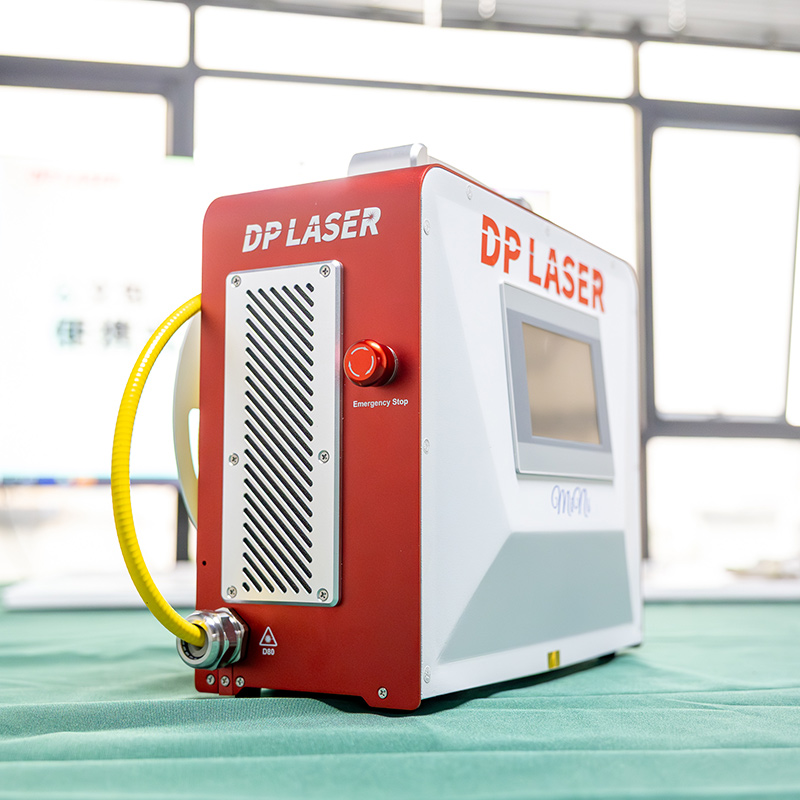
Space is often at a premium in retail jewelry stores and small electronic repair workshops. For these confined environments, a Compact Laser Welder is the ideal choice. Innovative briefcase-style models are self-contained units that cleverly integrate the power source and air-cooling system into a highly portable chassis weighing as little as 30kg to 40kg. Despite their small footprint, they deliver the exact peak power necessary for micro-tasks without the bulky water chillers of older generations.
When the application demands heavy-duty industrial performance and deep structural penetration, the Fiber Laser Welder is the undisputed standard. These solid-state systems generate the beam directly within a rare-earth-doped optical fiber. This technology provides unmatched beam quality and much higher electro-optical conversion efficiency. They consume significantly less electricity and require virtually zero maintenance since there are no optical mirrors to meticulously align. Fiber units pushing 1500W to 3000W can easily achieve deep keyhole penetration on thick stainless steel plates.
Selecting the optimal equipment requires a systematic evaluation of your production environment and material requirements. Making an empirical, data-driven decision ensures a rapid return on your capital investment.
The first step is thoroughly analyzing the specific alloys you process most frequently. Different light sources interact uniquely with various materials based on surface reflectivity and thermal conductivity. For highly reflective precious metals, traditional Neodymium-doped Yttrium Aluminum Garnet sources are often preferred for their high-peak-power pulses. However, if your operations involve joining structural steel, aluminum, or titanium, a solid-state fiber source is vastly superior. Fiber technology utilizes continuous wave outputs to provide a tighter focal spot, making it ideal for automotive fabrication where deep structural integrity is paramount.
Power output dictates the maximum penetration depth. It is crucial to differentiate between peak power and continuous average power. Machines in the 60W to 150W range are tailored for micro-welding, offering enough peak power to melt small joints while preventing thermal damage to surrounding sensors. Medium wattage units bridge the gap for light manufacturing. Conversely, industrial applications require high continuous power. Heavy-duty 1500W to 3000W fiber units operate in this upper tier, capable of executing rapid keyhole welds on thick metal sections.
From a financial perspective, shop managers must carefully evaluate the Total Cost of Ownership. Older crystal-based systems typically have a lower initial procurement cost but require scheduled maintenance, such as flashlamp replacements and deionized water changes. In stark contrast, fiber optic technology represents a solid-state solution. While the upfront investment is higher, a fiber-based system boasts a near-zero maintenance lifespan and substantially lower long-term operational costs.
While this equipment offers unparalleled precision, it introduces specific workplace hazards that differ significantly from traditional arc welding. Because these machines utilize concentrated beams of invisible near-infrared light, strict adherence to safety protocols is non-negotiable.
The most critical hazard is the potential for irreversible retinal damage. The near-infrared light is completely invisible to the human eye, meaning the natural blink reflex will not protect an operator from a stray reflection. For enclosed desktop systems, safety is integrated into the design via optical shutters that close automatically before the pulse fires. However, when operating an open-beam portable system, standard welding helmets are entirely insufficient. Operators must wear safety goggles specifically rated with a high Optical Density for the exact wavelength of the machine.
Although optical welding produces significantly less smoke than traditional methods, the intense heat still vaporizes metal at a microscopic level. Welding alloys like galvanized steel or metals containing beryllium can release toxic compounds. To mitigate respiratory risks, facilities must implement Local Exhaust Ventilation systems equipped with high-efficiency particulate air filters positioned directly adjacent to the welding zone.
Precision optical welding provides exact thermal control for modern manufacturing and repair tasks. By completely mitigating the destructive thermal spread associated with traditional arc methods, it drastically improves cycle speeds and joint quality in the jewelry, medical device, and heavy industrial sectors.
Selecting the proper equipment transforms your daily production output completely. Whether you require a compact air-cooled briefcase unit for micro-repairs or a high-powered portable fiber system for large-scale sheet metal fabrication, upgrading your technology will effectively eliminate manufacturing bottlenecks. Evaluate your material requirements and operational workspace to find the best machine for your facility today. Explore specific models and technical configurations at DP Laser to request a detailed quote or an in-person demonstration.
A: Yes, one of the most significant metallurgical advantages of this technology is its exceptional ability to successfully fuse different types of metals, such as copper to stainless steel, or gold to titanium. Joining dissimilar metals is notoriously difficult with traditional arc welding due to differing melting points and the high risk of forming brittle intermetallic compounds during the slow cooling phase. Optical technology overcomes these challenges through highly localized heat input and incredibly rapid quenching rates. Because the beam melts the two distinct materials in a fraction of a second, it minimizes the time available for brittle phases to form.
A: No, the learning curve is surprisingly short compared to intricate bench soldering techniques. Most contemporary compact machines are engineered with highly intuitive digital interfaces. Operators can easily select pre-programmed parameters for specific metals, adjusting the voltage, pulse duration, and spot size with a simple touchscreen. The actual process is guided by a high-definition stereomicroscope featuring an internal crosshair. Because the machine handles the complex thermal dynamics, a beginner can consistently produce clean, strong welds within just a few hours of proper training.
A: The fundamental difference lies in how the beam is generated and delivered. A traditional crystal system utilizes a solid rod excited by high-intensity flashlamps. This technology is excellent for generating high-peak-power pulses for reflective precious metals, though it requires regular maintenance. Conversely, a fiber system generates the beam entirely within a flexible optical fiber doped with rare-earth elements, excited by semiconductor diodes. This solid-state design eliminates the need for flashlamps and mirrors, resulting in a system that requires virtually zero maintenance and operates with much higher electrical efficiency.
A: While it is technically possible to perform autogenous welding on certain non-critical components without gas, using an inert shielding gas like argon is considered standard practice across all professional industries. When the metal melts, the resulting liquid pool is extremely susceptible to atmospheric contamination. If oxygen and nitrogen react with the liquid metal, it causes rapid oxidation, resulting in severe discoloration, porosity, and a brittle joint. Argon acts as an invisible protective blanket, ensuring the final weld is metallurgically sound and visually clean.
A: Penetration depth depends heavily on the machine's continuous wattage and the specific material's thermal conductivity. A modern 1500W to 2000W handheld fiber system can typically penetrate up to 3mm to 5mm of stainless steel or 2mm to 3mm of aluminum in a single pass using keyhole mode. For specialized micro-welding tasks, penetration is deliberately limited to fractions of a millimeter to protect underlying electronic components.
A: While optical systems offer superior speed and vastly lower thermal input, they will not completely replace TIG in every single scenario. TIG remains highly cost-effective for extremely thick structural steel beams or outdoor field repairs where pristine joint fit-up is impossible. However, for precision manufacturing, thin-gauge sheet metal fabrication, and high-volume production lines, optical technology is rapidly becoming the dominant standard due to its sheer speed and lack of post-weld cleanup.


